
The latest monthly ACCU register update by the Clean Energy Regulator saw 23 new projects, including the first under the INFM method. This was higher than both August (15) and September (14). During the same update period - October 2026 - just over 2.38 million ACCUs were shared amongst 82 projects. Both the previous two months had total issuance of approximately 3.15 million ACCUs. Meanwhile, six projects were voluntarily revoked, making for a net gain of 17 to the total of active projects.
See the latest projects here.

New registrations
Of the 23 registrations in October, 14 of them were soil carbon projects, the second highest monthly total for this method since September 2025. Twelve of the soil projects - Castle Hill Carbon Project 1 through to Castle Hill Carbon Project 12 - are located in the same area of Queensland’s Central Highlands, and share the same proponent, AgriProve.
The next most popular method was environmental planting, with four new projects, followed by plantation forestry (2), and savanna fire management (2). Last but not least, October saw the first project to be registered under the INFM (Improved Forest Management in Multiple-use Public Native Forests) method 2026.
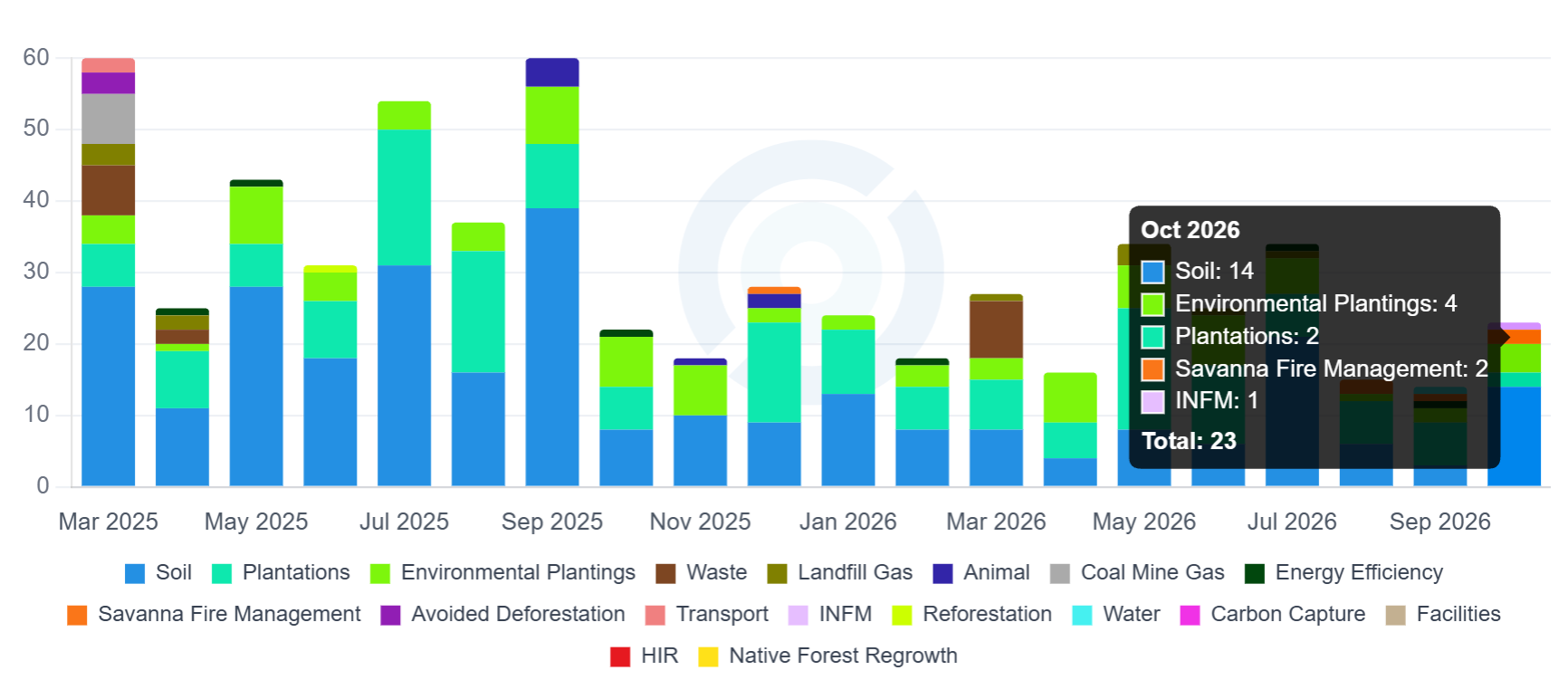
Project registrations by month and method
The three most popular methods so far this year are soil carbon, with 91 registrations, followed by plantation forestry (75) and environmental planting (40). There are now 971 active soil projects, of which 54 have earned ACCUs.
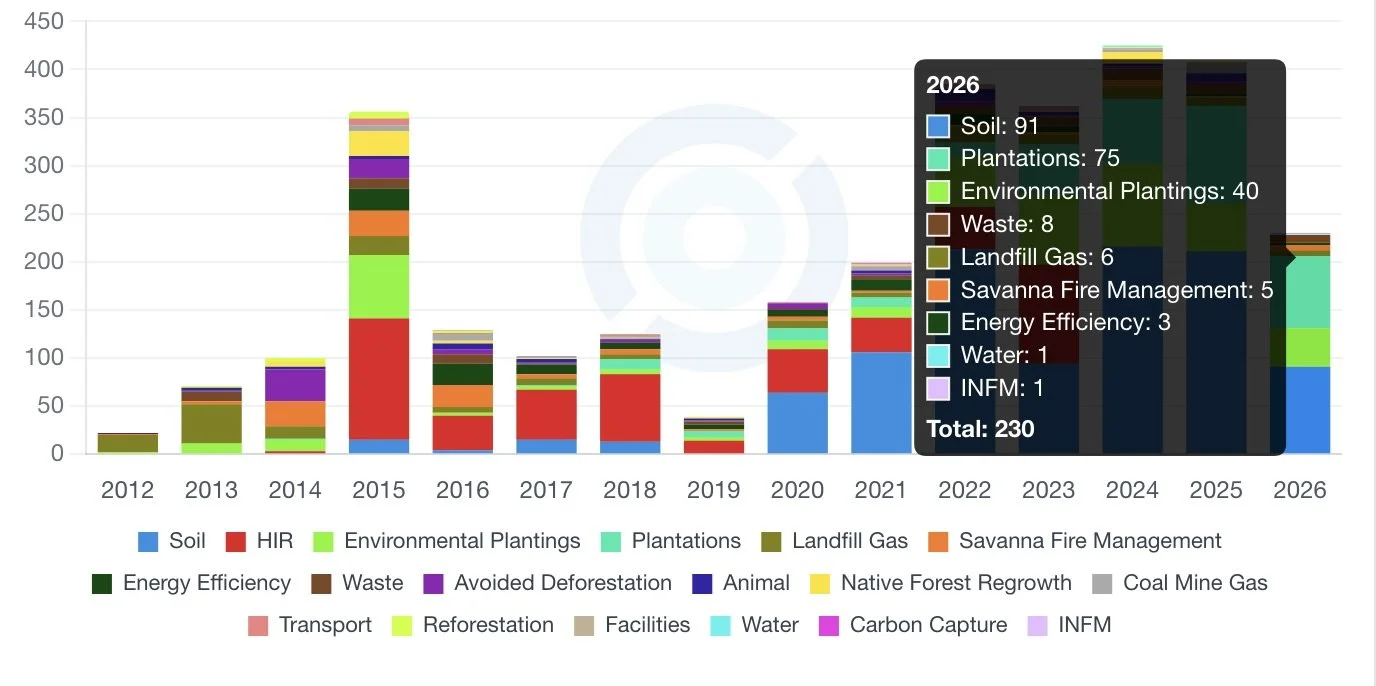
New projects by year and method
The multiple Castle Hill soil projects helped Queensland to dominate registrations, with a total of 16. It was followed by New South Wales, with five projects, while Victoria and Western Australia had one apiece. Seven of the new projects have a 100-year permanence period, including six proponents who chose the 100-year option, alongside the new INFM project where 100-year permanence is legally the only option.
The smallest new registration, Penola Plantations 2027 P27-5 Myaring West, is a 5.91 hectare plantation forestry project in the Green Triangle region of south-western Victoria. The project operates under Schedule 3 of the Plantation Forestry method (avoiding conversion to non-forested land by continuing plantation forestry).
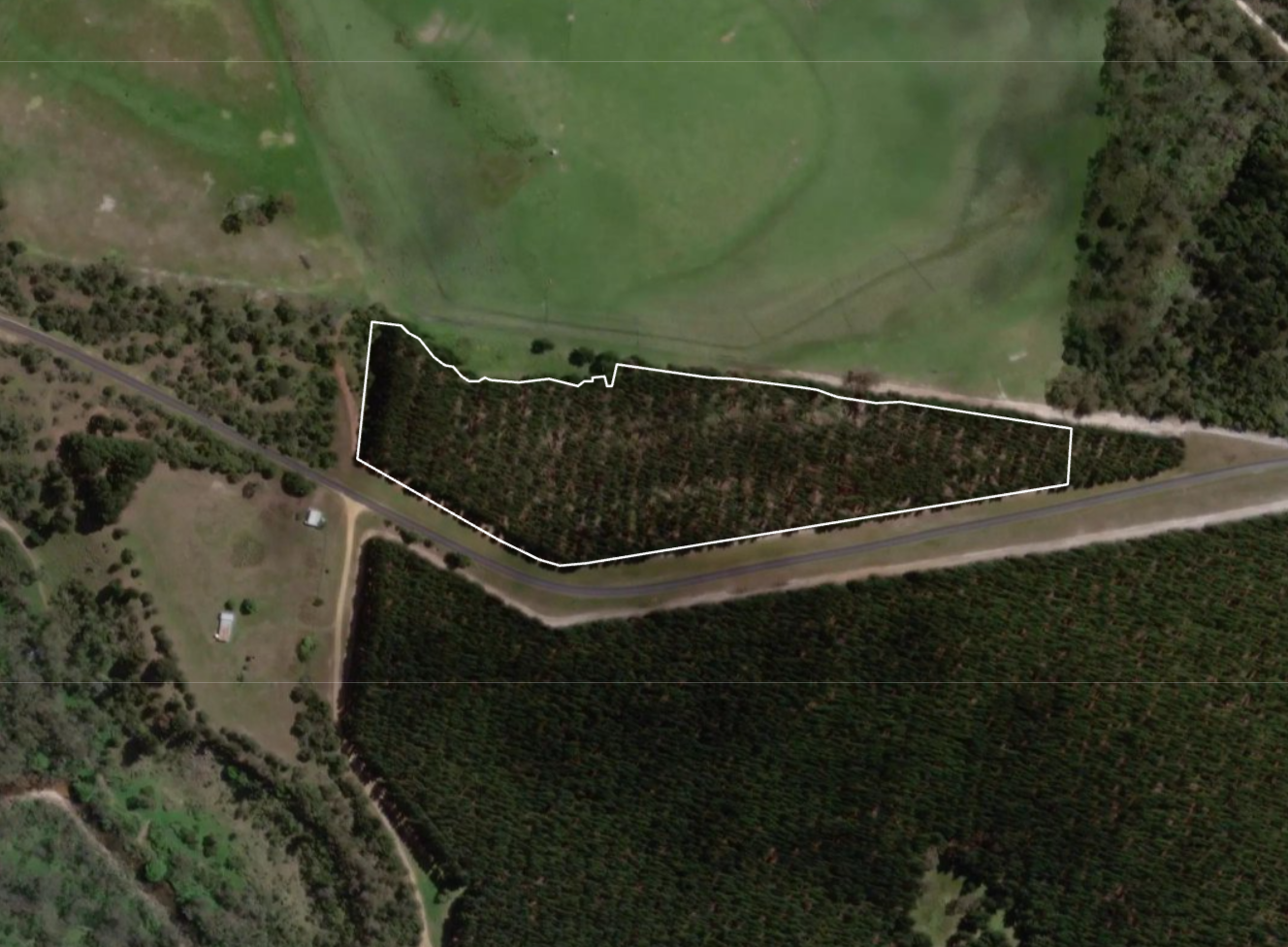
Some of the new projects
North East RFA Improved Native Forest Management Project
ERF211801 | View on Project Explorer
The first project to be registered under the INFM method, it covers some 532,000 hectares of public native forests, of which just over 117,000 hectares have been designated as carbon protection areas. In these areas, all commercial timber harvesting will cease. To earn ACCUs, the project must lead to a verifiable reduction in the overall level of harvesting across the broader forestry region.
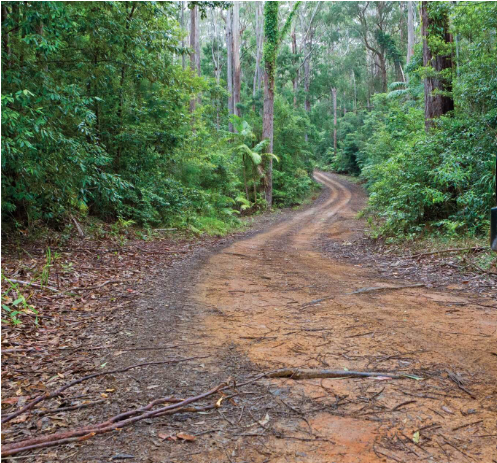
National Park picture credit: https://www.environment.nsw.gov.au/
North East RFA encompasses a vast coastal and hinterland area from just north of Sydney up to the Queensland border. It is tied to the planned Great Koala National Park, and run by the New South Wales Department of Climate Change, Energy, the Environment and Water.
The NSW government has declared that any ACCUs earned by the project will not be sold to fossil fuel businesses. These are defined as firms involved in coal mining; oil and gas extraction; petroleum refining and fuel manufacturing; gas supply; petroleum product wholesaling; and fossil fuel electricity generation.
Latrobe Station Soil Carbon Project
ERF212041 | View in Project Explorer
Located in Central West Queensland, this soil project covers approximately 9,218 hectares. It aims to sequestrate carbon by altering the stocking rate, duration, and intensity of livestock grazing to promote vegetation cover and improve overall soil health.
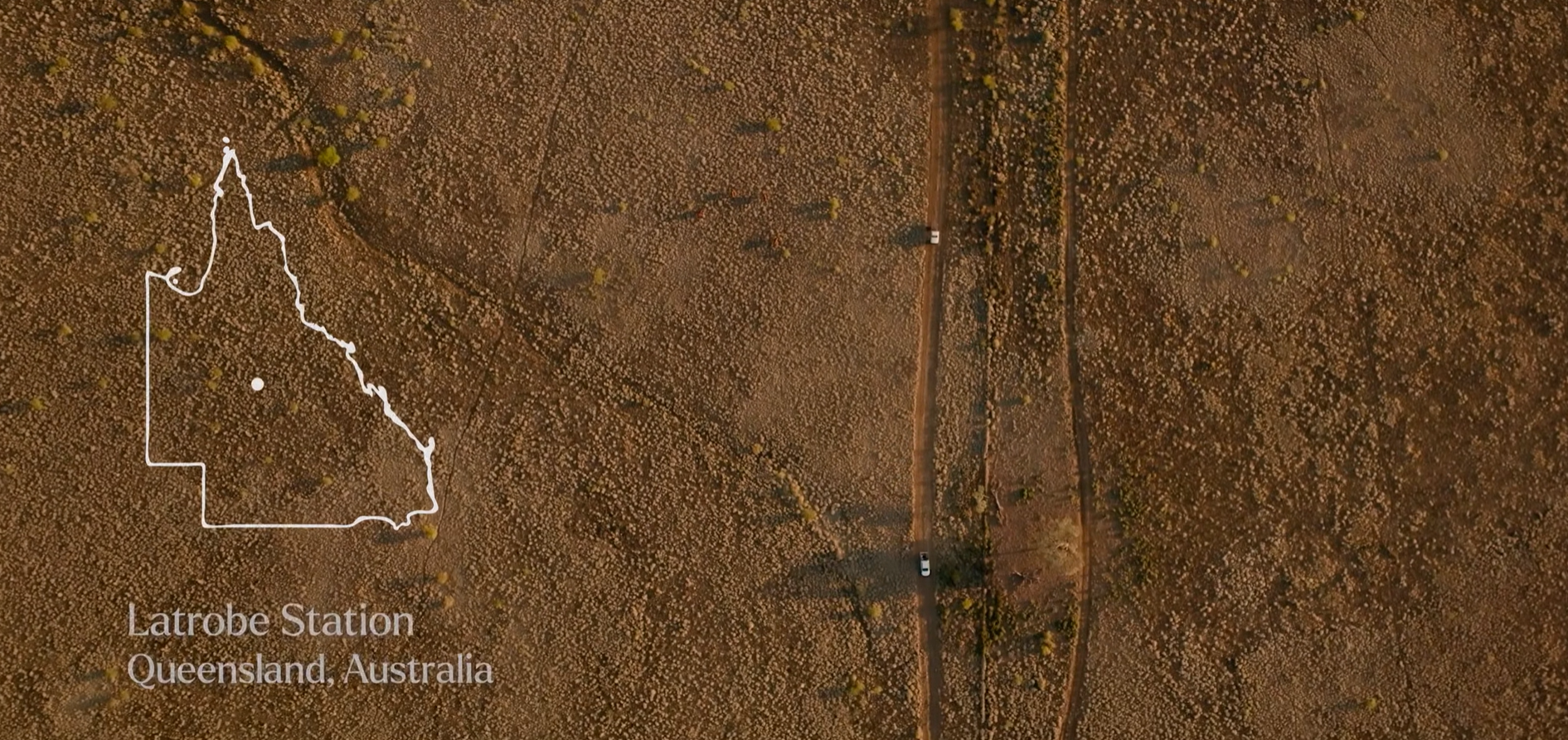
2024 Thinking Forward Video - Regenerative Rangelands in Central West QLD. Latrobe Station covers 18,210 hectares of rangeland.
Ladrobe Station is owned by Donald, Wendy and Jody Brown, who have become strong advocates for regenerative agriculture, and run organic sheep and cattle. Driven by back-to-back droughts, the proponents have actively explored regenerative methods to build drought resilience.
The property has also served as a test site for satellite-monitored regenerative rangeland practices, a pastoral project supported by the Government's Future Drought Fund and the SQNNSW Innovation Hub. There’s an interesting video from 2024 talking about these trials: Thinking Forward Video - Regenerative Rangelands in Central West QLD.
Credits issued
Of the 2,382,220 ACCUs issued in October, roughly 54% went to avoided deforestation projects, including the month’s four highest individual awards:
Ellavale Native Forest Protection Project (318,829 ACCUs);
Bloomfield Native Forest Protection Project (242,546);
Trilby Native Forest Protection Project (182,374).
All four of these projects received their awards after the end of their crediting periods. They also shared the same project lead - GreenCollar’s TerraCarbon - as agent or proponent.
Avoided deforestation projects shared a total of 1,288,520 credits in October. The next highest awarded methods were:
Human-induced regeneration (543,176 ACCUs);
Landfill Gas (448,079);
Environmental planting (55,769);
Savanna fire management (29,113);
Alternative waste treatment (8,711);
Plantation forestry (3,504);
Animal effluent management (987).
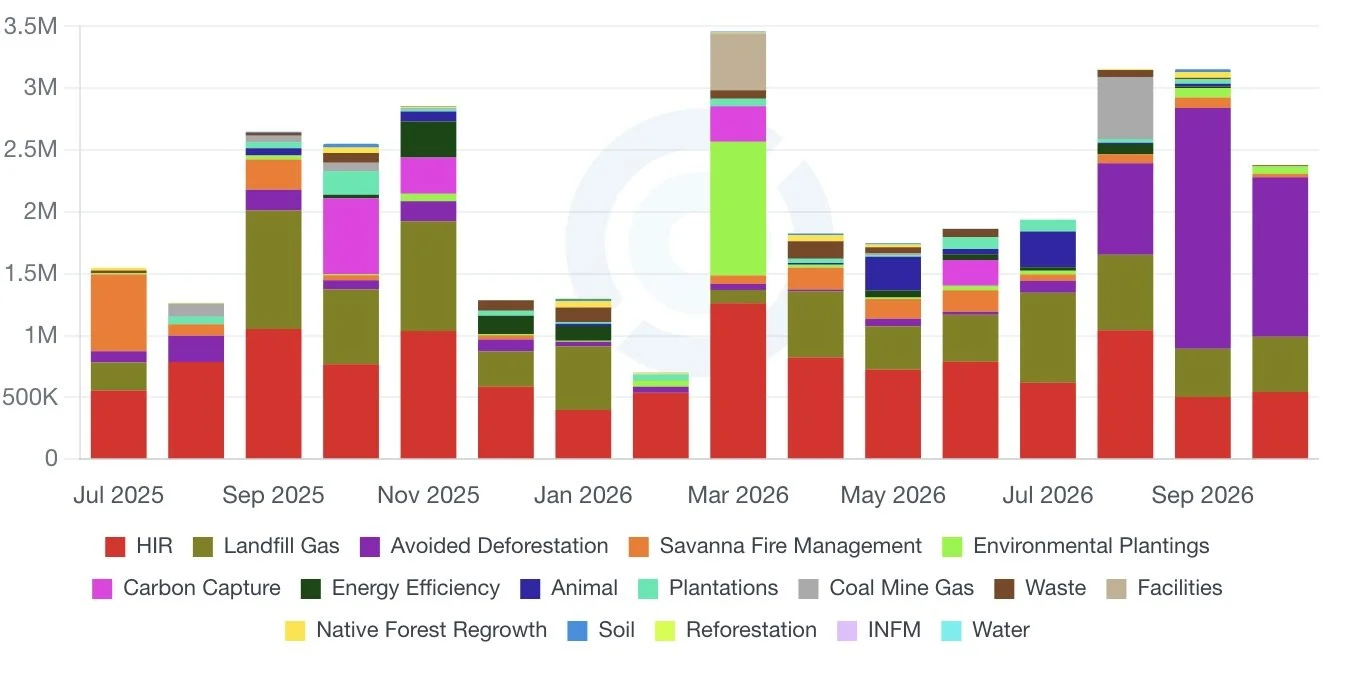
ACCUs issued by month and method
So far this financial year, avoided deforestation (4,072,982 ACCUs), together with HIR (2,707,295), and landfill gas (2,175,577), have dominated issuance. These three methods account for more than 84% of credits awarded since July 1, 2026.
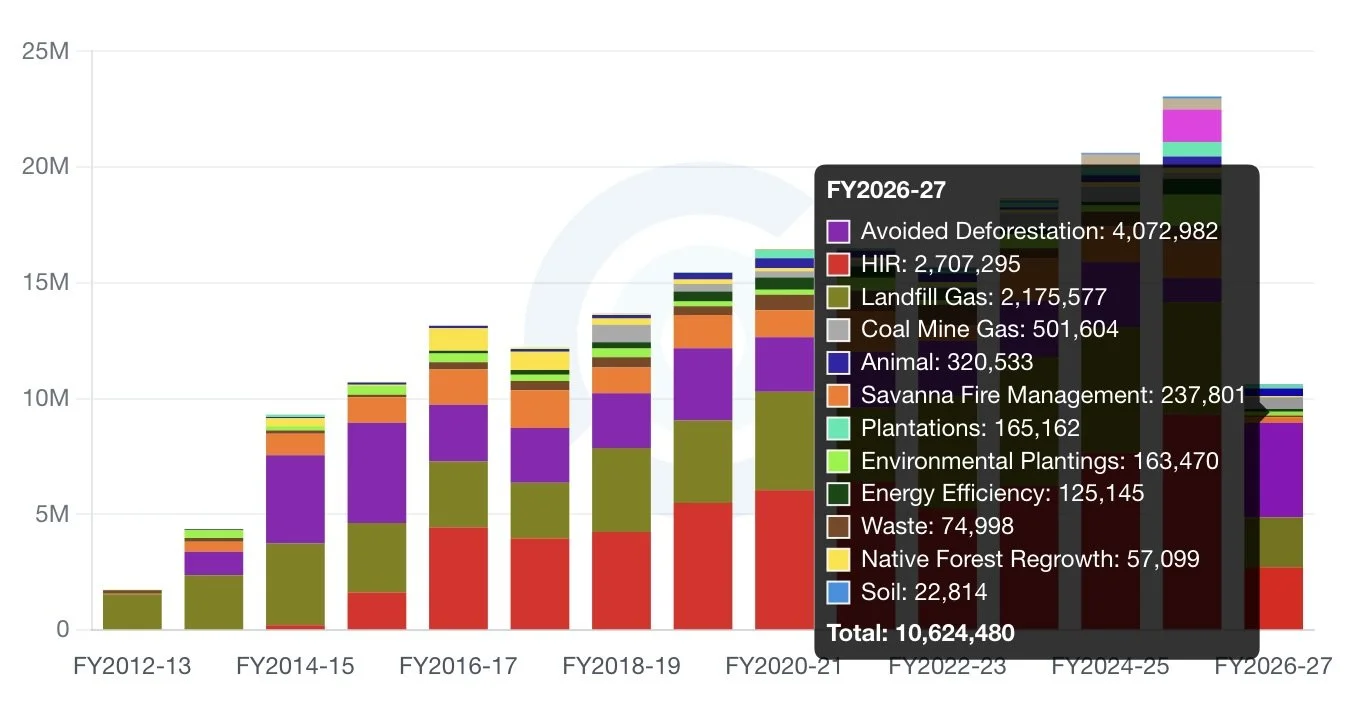
ACCUs issued by financial year and method
In terms of project lead issuance, either as agents or proponents, the top four companies were:
TerraCarbon (GreenCollar) (1,311,457 ACCUs);
LMS Energy (287,107);
Climate Friendly (159,892);
Select Carbon (132,388).
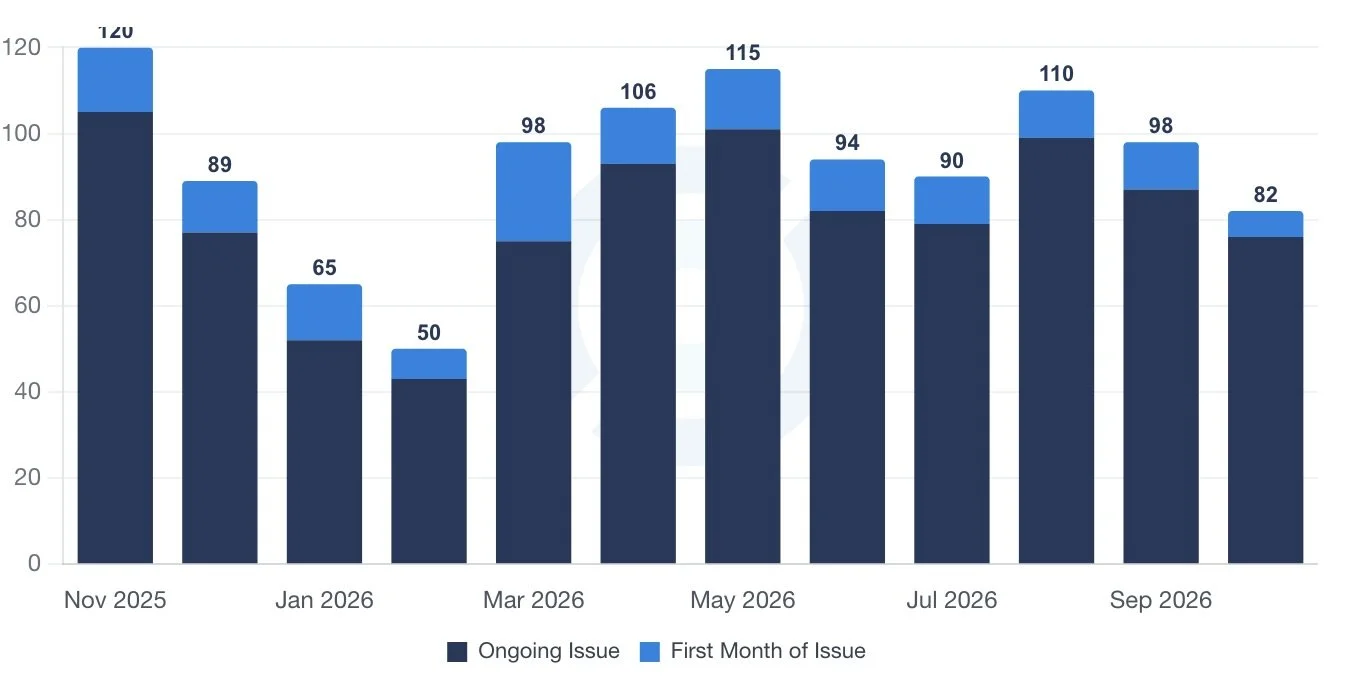
Number of projects issued credits by month
Six projects earned their first credits in October, while the remaining 76 had been awarded at least once in the past. It was the lowest monthly tally of credited projects since February 2026.
Though much attention goes to the projects with the highest credit issuance each month, this does not mean awards at the other end of the scale are not worth noting. A case in point is Dogwood Carbon Project, which received 321 credits in October, the lowest of the month.
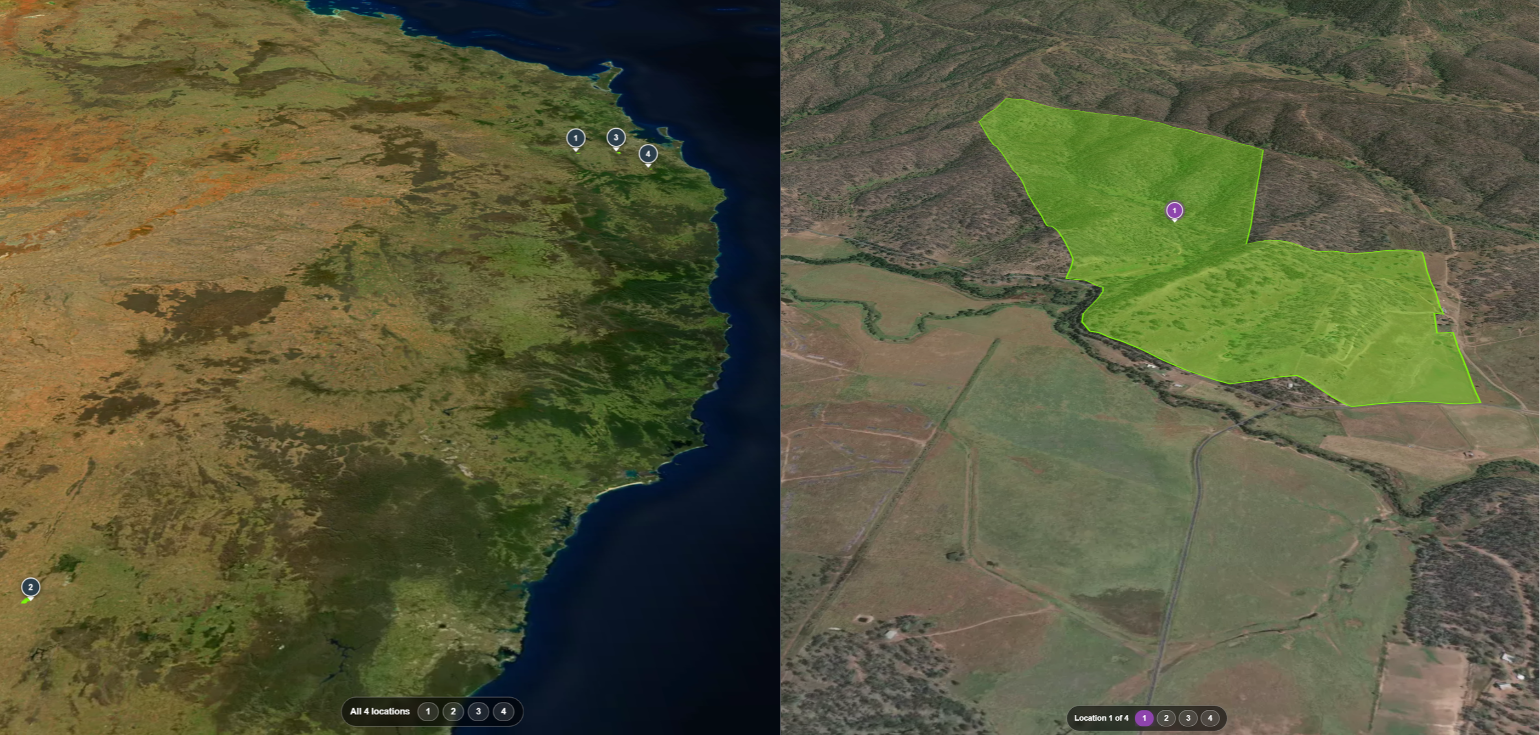
Dogwood EP project across 4 locations
ERF101808 | View in Project Explorer
This environmental planting project is spread across multiple aggregated properties in New South Wales and Queensland, and covers approximately 1,316 hectares in total.
EP projects involve establishing permanent plantings of native trees, typically at a minimum density of 200 stems per hectare, to restore the forest canopy and sequester carbon.
Registered in 2015, the project’s latest award marks the eighth financial year it has earned credits. It has an ongoing fixed abatment agreement with the Government for 500,000 units, of which it has sold 234,000 so far.
In August 2026 it was subdivided under section 77A of the CFI Act.
Revoked projects
Six projects were voluntarily revoked in October, including two savanna fire management projects, two soil carbon, one human-induced regeneration and one alternative waste management. Interestingly, after revocation, the two SFM projects (see below) were immediately re-registered under the 2026 Savanna fire management (sequestration and emissions avoidance) methodology.
Holroyd Station
EOP100851 was registered in November 2014, with a project area of approximately 282,000 hectares, in the Cape York Peninsula of Queensland’s Far North. This project is part of a massive 433,600 hectare aggregation of properties purchased by Corporate Carbon in 2023.
The project was set up to demonstrate how cattle farming and carbon farming could be run in parallel, as the cattle actively graze down the grass fuel load to assist with fire management.
It earned a total of 340,112 ACCUs across eight financial years, before being revoked, and immediately registered again as ERF212447, under the new SFM method.
Watson River Station
ERF101444 was registered in August 2015, covering approximately 89,380 hectares, in the Cape York Peninsula. Like other SFM projects it carried out controlled burns early in the dry season, to prevent more destructive wildfires later on. It earned a total of 151,050 credits across six financial years.
In late 2022, the property was purchased by Corporate Carbon's agribusiness arm, Paniri Agricultural, transitioning the property's management to integrate sustainable beef production with its carbon projects.
The original project was revoked in October 2026, and immediately registered again as ERF212450.
See the latest projects from the project register updates here
To view ACCU statistics and trends head to Analytics Dashboard and create a free account to access additional pages.
Join our community to get the latest carbon market intelligence delivered monthly
See the latest projects for yourself in Project Explorer here.
Carbon Eyes (Infovest Pty Ltd) is a Corporate Authorised Representative (No. 001320924) of True Oak Investments Pty Ltd (AFSL No. 238184). Information is general only and does not consider your objectives, financial situation or needs.
Want to know more?
Check our time lapse video from 2012 to today showing the growth of Australia's ACCU scheme or if you missed last months register update: Avoided deforestation projects dominate credit issuance in September.
References
Clean Energy Regulator (CER):
Carbon Eyes ACCU project register and project level analytics
Carbon Eyes market commentary on ACCU project activity and issuance trends
Carbon Eyes | Carbon Market Intelligence
The independent view of Australia's carbon market.
1. Discover projects
Find and shortlist ACCU projects using structured CER data, market information and enriched project and land data. Get notified of project changes.
2. Understand the risks
Assess individual projects using detailed data, risk metrics and independent rating breakdowns, to understand project quality, characteristics and potential risks.
3. Go deeper
Get a detailed independent assessment of an individual project for high value procurement, investment, lending and offtake decisions.