
ACCU project registrations reach eight- month high
The Clean Energy Regulator’s latest data release includes 34 new ACCU carbon projects across Australia. During the same period - April 30 to May 31 2026 - the registration of 11 projects was revoked, all but one, voluntarily. Meanwhile, 114 projects received ACCUs.
Moran Family Farm Biodiversity Planting Project
Some of the new projects
Moran Family Farm Biodiversity Planting Project

ERF208322 : View Project Information | View on Project Explorer
The project pictured is on a farm located in the Central Tablelands of NSW. It's an Environmental Planting project covering 339 hectares, near Rockley, approximately 30km south of Bathurst.
Environmental Planting projects involve establishing and maintaining permanent plantings of a mix of tree and shrub species which are native to the local area. To achieve forest cover, these projects typically require planting at a density of at least 200 stems per hectare.
To the north, the farm is bordered by part of the multi-site Landari PPPA 3 plantation forestry project.
White Hills Vineyard Revegetation Project
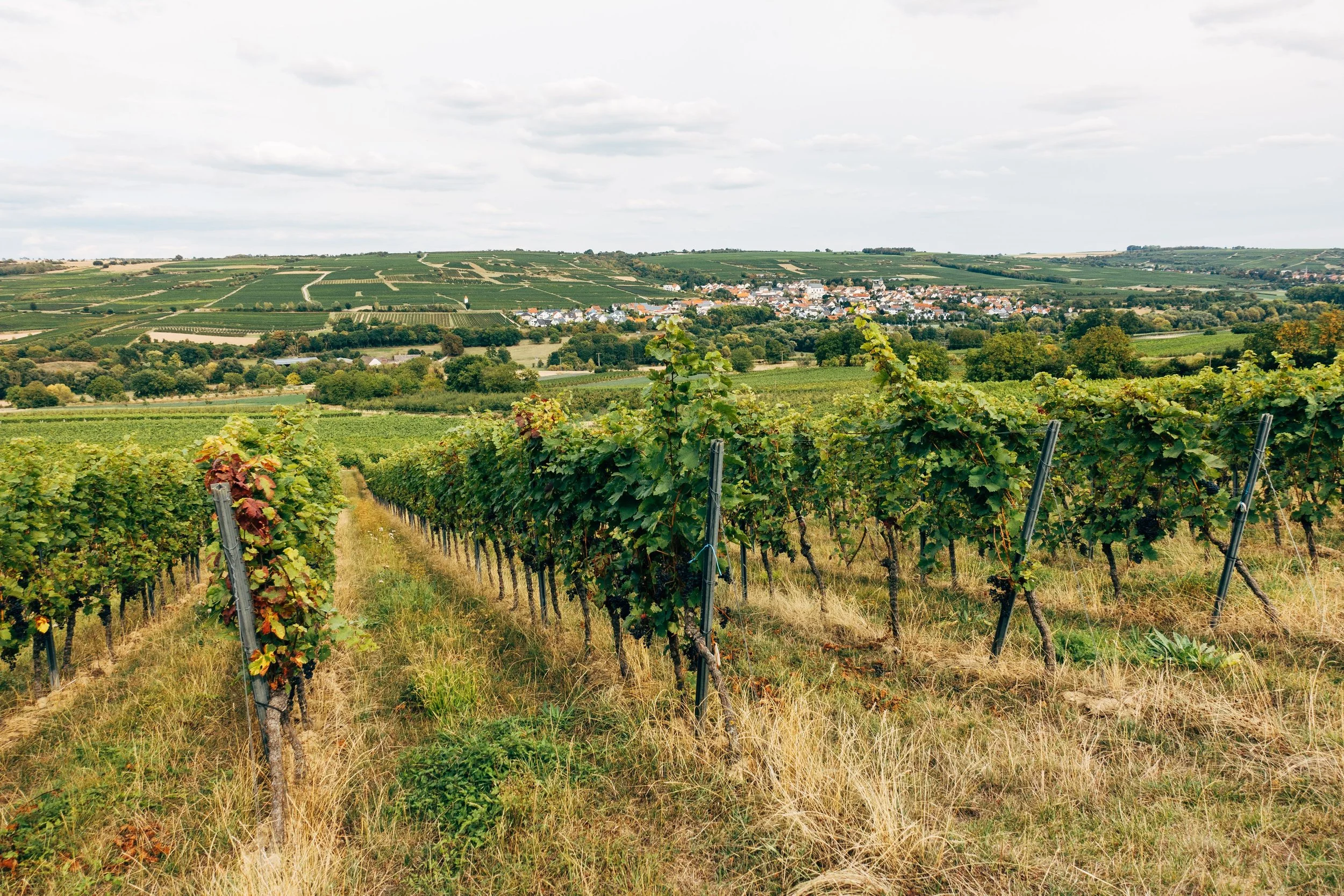
ERF208323: View Project Information | View on Project Explorer
This is an Environmental Planting project located approximately 20km southeast of Launceston in Tasmania's Tamar Valley region. The proponent, Treasury Wine Estates Vintners, bought the White Hills vineyard from Brown Brothers in 2013.
Originally, it consisted of 83 planted hectares of vines, within a 116-hectare total property. The carbon project area closely matches the total property size at acquisition, suggesting the company is holistically integrating permanent native species across the whole estate, in order to enhance local biodiversity and sequester carbon.
Under standard requirements for this methodology, a project must typically achieve forest cover by planting at a stocking density of at least 200 stems per hectare. This specific project focuses on planting a mix of native species that reflect the structure and composition of the area's original vegetation.
Yarrawin Plantation
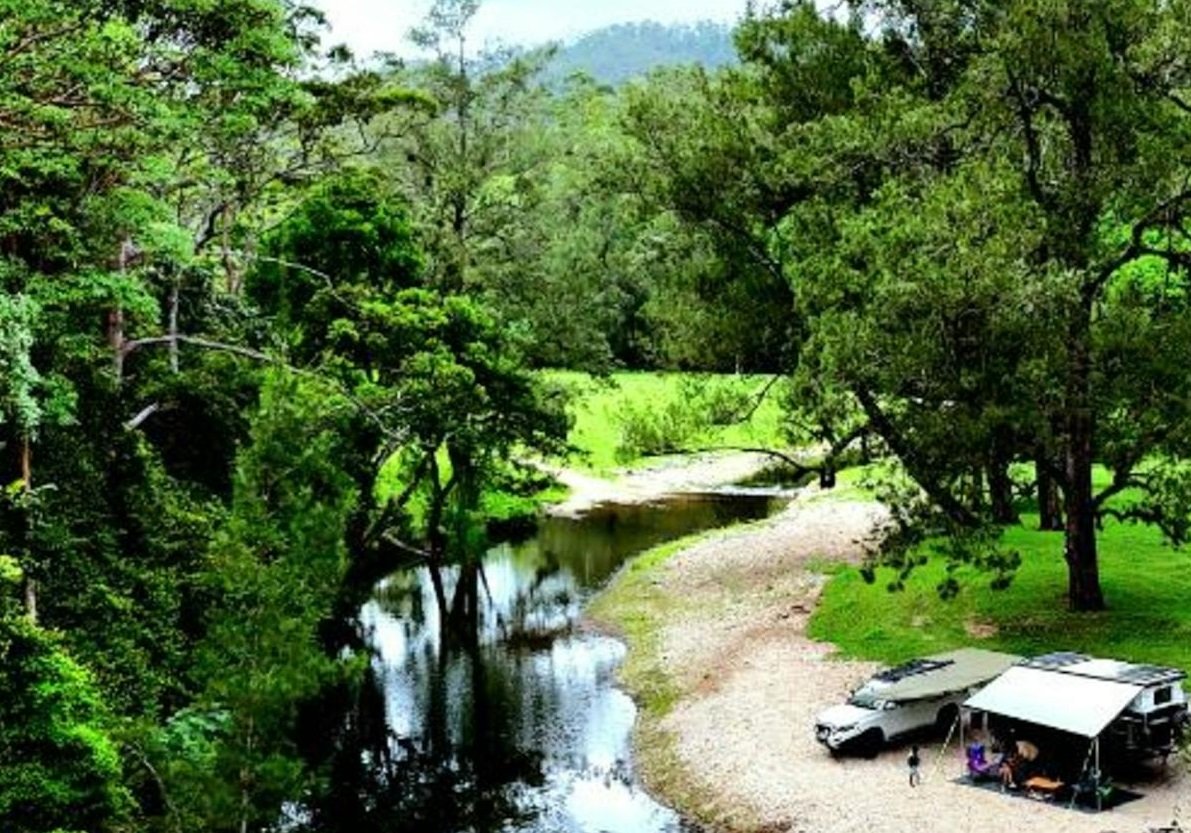
ERF208346: View Project Information | View on Project Explorer (
Picture of beautiful Yarrawin Camping (Visit NSW) in the same area as the newly registered project, exact project boundaries and location are obscured.
This Environmental Planting project in the Mid North Coast of NSW, sequesters carbon by transitioning an existing hardwood timber plantation into a permanent forest. It aims to mitigate the risk of the land being cleared and converted into non-forested agricultural land.
The project area is situated in Yarrawin, a working farm of approximately 275 hectares, located in the Nambucca Valley, 10km west of the historic town of Bowraville. The project area features three kilometres of double river frontage along the Nambucca river system, characterised by natural gravel river flats and deep water holes.
Interestingly, as well as cattle farming, and the carbon project, the property also operates as a secluded eco-tourism destination, offering off-grid campsites to visitors. The project proponent, Nateva Australia (Acacia), is a subsidiary of Nateva (formerly New Zealand Carbon Farming).
Merrinee 1, Stage 2 Planting Project

ERF208652: View Project Information | View on Project Explorer
This 1168 hectare Environmental Planting initiative, is in the Mallee region of Victoria. It sits on a broader 2,742 Merrinee property, which was cleared mechanically of native vegetation in about 1920, as part of a settlement scheme for soldiers returning from the First World War.
The original native 'Mallee' roots were pulled out and sold for firewood, and the land then used for decades for cropping and sheep grazing. After more than a century, an effort is being made to restore local native shrubs and trees to the land.
Land Life Company Australia, the project proponent, is actively engaging with the Millewa-Mallee First Peoples, the Traditional Owners of the land. It’s hoped their 60,000 years of knowledge in sustainability and resilience, can help the site's ongoing ecological restoration.
Merrinee is situated approximately 40km southwest of the regional city of Mildura. The project was registered on May 4, 2026.
South Walker Creek Mine
ERF178098: View Project Information | View on Project Explorer
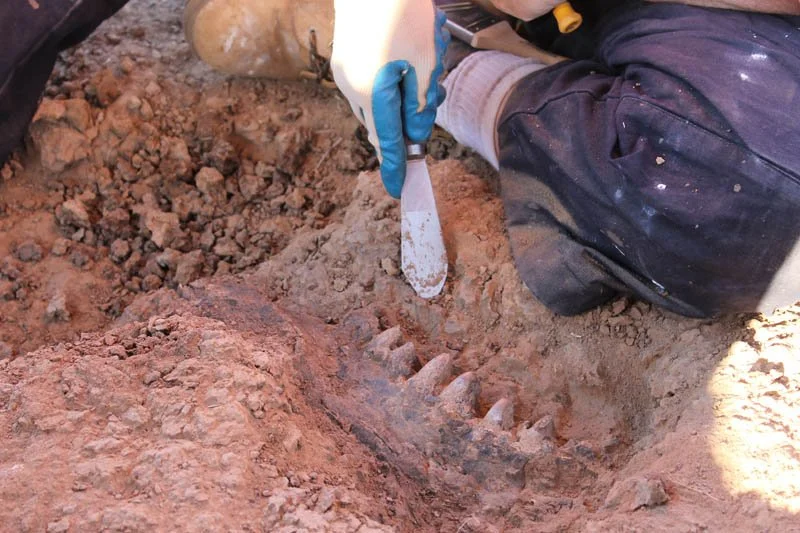
Extinct giant marsupial diprotodon jaw bone found at South Walker Creek in Mackay, north Australia. Image from Queensland Museum
Dragline 27 (DRE27) AC Upgrade at SWC Mine is an industrial and commercial emissions project in Central Queensland. Originally registered in October 2022, it operates within the footprint of the existing South Walker Creek Mine, which produces high quality coal for steelmaking.
The May 2026 update focuses on upgrading the electric motors to more efficient alternating current (AC) drives, significantly reducing the enormous electricity requirements. The mine is is wholly owned by the proponent, Stanmore SMC.
Interestingly, the mine site is also a major paleontological landmark. In 2008, the traditional owners, the Barada Barna people, discovered an extraordinary deposit of tropical ice-age megafauna fossils within the creekbed. Among the finds were the preserved bones of giant extinct marsupials, terrestrial crocodiles and giant goannas.
Hawthorne Farm Plantation Forestry Project (Low Risk Pathway)
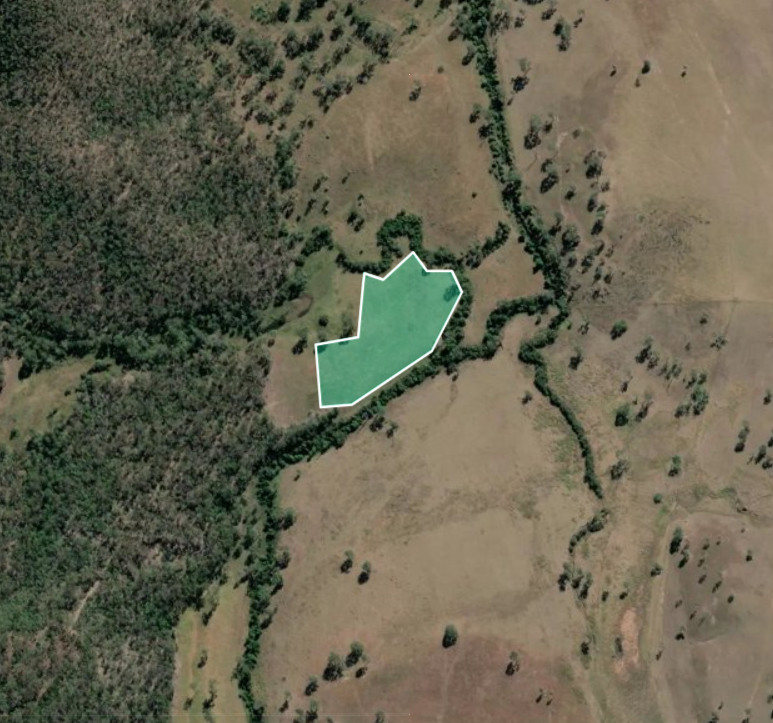
ERF208434: View Project Information | View on Project Explorer
This plantation forestry project at Teebar, in the Fraser Coast Region of QLD, covers a compact area of 3.43 hectares. Registered on May 6, 2026, it establishes a new forest, strictly for the commercial harvesting of wood products.
An interesting aspect of this site is the proponent, CN Hawthorne, acting as a trustee for the CN Hawthorne Self-Managed Superannuation Fund (SMSF). Utilising an SMSF to back a micro-scale 3.43-hectare commercial timber plantation highlights an emerging trend: individuals using private retirement trust vehicles to invest directly in carbon farming and sustainable agricultural assets.
Revoked projects
There were 11 project registrations revoked during the update period. All but one of these revocations were voluntary, under both Section 30 (6) and Section 29 (4) of the CFI (Carbon Farming Initiative) Rule. Section 30 covers projects which have yet to earn ACCUs, while Section 29, is for projects which have earned credits.
Proponents can voluntarily revoke registrations for a number of reasons, such as property ownership transfers, new information about the project area, changing business priorities, funding issues, transitioning to new or reformed ACCU methods, and project abandonment. Voluntary revocation should not necessarily be viewed negatively, as it can simply be part of an administrative process.
The voluntarily revoked projects came from a range of categories: vegetation (3), Savannah Fire Management (3), agriculture (2), energy efficiency (1) and waste (1). Two of the SFM intiatives - the Purnululu-Ord River Regeneration Savannah Burning Project, and the King Leopold Ranges CP Savannah Burning Project - had the same proponent, Western Australia’s Department of Biodiversity, Conservation and Attractions.
Savanna burning projects involve strategic early dry-season fire management. This reduces available fuel loads, which helps prevent the risk of much larger, high-intensity late dry-season wildfires, thereby avoiding significant greenhouse gas emissions. These two revoked projects covered a combined area of approximately 1.1 million hectares, and no credits had been issued since their registrations in 2018.
Both these initiatives were revoked under Section 30 of the Carbon Credits (Carbon Farming Initiative) Rule. It is not known whether they will be re-registered in the future, but a number of other SFM intitiatives are transitioning to the 2026 savanna sequestration method.
Purnululu-Ord River Regeneration Reserve Savanna Burning Project
ERF117018 : View Project Information | View on Project Explorer
This vast inititiative in the East Kimberley region of Western Australia, was registered in May 2018. Covering an area of 695,603 hectares, it is located in and around the Unesco World Heritage site of Punululu National Park, famous for its ancient striped sandstone domes.
The broader regional area is utilised for cattle grazing on pastoral leases, Aboriginal cultural activities, and significant nature conservation,
King Leopold Ranges CP - Savannah Burning Project
ERF121498: View Project Information | View on Project Explorer
This project was located in the Wunaamin Miliwundi Ranges (formerly the King Leopold Ranges), in the Kimberley region of Western Australia. It was registered in November 2018, coverning an area of 390,298 hectares.
The surrounding Kimberley region is known for rugged conservation parks, Aboriginal land, and pastoral stations primarily used for beef cattle grazing. The project spans both high and low rainfall zones typical of the tropical savanna.
Credits issued
A total of 114 projects were issued ACCUs during the update period. They varied in size from a whopping 270,529 credits for CPC Beef Herd Project, which sprawls across Northern Territory, Queensland and Western Australia, to 13 credits for the Little Creek Carbon Plus Biodiversity Project, in Victoria.
In terms of methodology, there were 61 vegetation projects, 32 involved waste, 10 savannah fire management, 7 agriculture, 3 energy efficiency and 1 industrial fugitives.
CPC Beef Herd Project
ERF121321: View Project Information | View on Project Explorer (across 8 postcodes, no addresses available)
This is a beef cattle herd management project located across an aggregation of cattle stations across NT, QLD and WA. Working alongside carbon project developer South Pole, Consolidated Pastoral Company (CPC), the project was registered in June 2018, and covers a vast, undisclosed area across multiple properties and postcodes.
CPC Beef Herd Project aims to reduce the amount of methane emissions, across its herd of approximately 300,000 animals. The main strategy is to cut the average age of the herd, increase the ratio of weight to age, and reduce the proportion of unproductive animals.
The first carbon credits were issued in 2019, with the latest - 270,529 - credited in May 2026. In total, 725,110 ACCUs have been issued, making it one of the largest greenhouse gases abatement projects in Australia.
Little Creek Carbon Plus Biodiversity (1127) Project
ERF178129: View Project Information | View on Project Explorer
At the opposite end of the scale from CPC Beef Herd Project, is this environmental planting and biodoversity intitiative in the Central Goldfields region of Victoria. It was registered in November 2022 and covers 8.44 hectares. Little Creek Carbon Plus Biodiversity Project (1127) received its first credits - 13 ACCUs - in May 2026.
This project establishes permanent plantings of locally native tree species on land that was predominantly used for agricultural purposes for at least five years prior to its commencement. As the name suggests, it aims not just to sequester carbon, but also increase biodiversity.
The proponent, Wombat & the Kid Pty Ltd, received a $13,750 grant through the Carbon + Biodiversity Pilot (Round 1) to support this initiative.
The wider St Arnaud area is heavily utilised for agricultural purposes, particularly broadacre cropping and sheep grazing.
Ironbark WCMG Electricity Generation Facility
ERF182941: View Project Information | View on Project Explorer
Also receiving its first ACCUs last month is this innovative Industrial Fugitives intitiative in Central Queensland’s Bowen Basin. Located at Ironbark coal mine, approximately 15km west of Nebo, this project generates electricity from waste methane.
Developed as a strategic partnership between coal miner Fitzroy and carbon abatement specialist Carbon Logica, the Ironbark facility commissioned its initial 5MW power plant in late 2024. It was the first operational abatement project in the metallurgical coal industry, following the introduction of the Safeguard Mechanism reforms. It earned 15,233 ACCUs in May, 2026.
A second phase of the project, registered in December 2024, aims to boost the power capacity to 20MW, enough to power 35,000 homes, while abating more than 90,000 tonnes of CO2 equivalent annually. This methodology earns credits both for destroying greenhouse gases, but also offsetting the use of more carbon-intensive grid electricity.
Join our community to get the latest carbon market intelligence delivered monthly
Want to know more?
Check our time lapse video from 2012 to today showing the growth of Australia's ACCU scheme.
References
Clean Energy Regulator (CER):
Carbon Eyes ACCU project register and project level analytics
Carbon Eyes market commentary on ACCU project activity and issuance trends
Images
Stock photo of vineyard courtesy of Markus Winkler
Yarrawin Camping photo Visit NSW
Extinct giant marsupial diprotodon jaw bone found at South Walker Creek in Mackay, north Australia. Image from Queensland Museum: article
Check out our blog article ACCU scheme reforms: what is being proposed discussing proposed changes to the ACCU scheme.
Carbon Eyes | ACCU Market Intelligence
Strategic data and integrity signals for the Australian carbon market.
1. Carbon Data Platform
The Foundation of Market Transparency | Access the Platform
A comprehensive view of the ACCU landscape. Access structured CER data, project status and issuance trends. Use our core mapping and analytics to establish your market baseline.
2. Integrity & Market Intelligence
Independent Ratings & Supply Forecasts | Upgrade Your Intelligence
Mitigate risk with our paid intelligence layer. Accessed directly within the Platform, these add-ons provide independent ACCU project ratings and forward looking supply forecasts to guide procurement and investment.
3. Land & Asset Decisioning
Identify the Best Opportunities for Carbon Projects
Carbon Potential Report | View Carbon Potential Report (by address)
Instant, address-based viability assessments for lenders and investors.
Carbon Land Search | Identify & Assess High-Potential Assets
Our premium search engine for institutional funds. Identify and de-risk high-potential carbon assets before acquisition.