
June saw 25 new ACCU projects registered
Plantation forestry and environmental planting accounted for all but six of the new registrations. During the same register update period - May 31 until June 30 - 94 projects earned a total of 1.86 million carbon credits, pushing issuance in the first half of 2026 to nearly 10.9 million ACCUs. Meanwhile, two projects voluntarily revoked their registrations.

Plantation forestry accounted for 11 of the 25 projects registered in June, with environmental planting (8) the second most popular method, followed by soil carbon (5), and landfill gas (1). Victoria was the state with the most new registrations (6), closely followed by Tasmania and Western Australia, with five each.
In terms of permanence, 18 projects opted for 25-year periods, while six chose 100-year commitments. AgriProve (including its solutions arm) registered the most individual projects, locking in four soil carbon registrations across New South Wales and South Australia.
Some of the new projects
Jubal Restoration for the Future (EP Project)
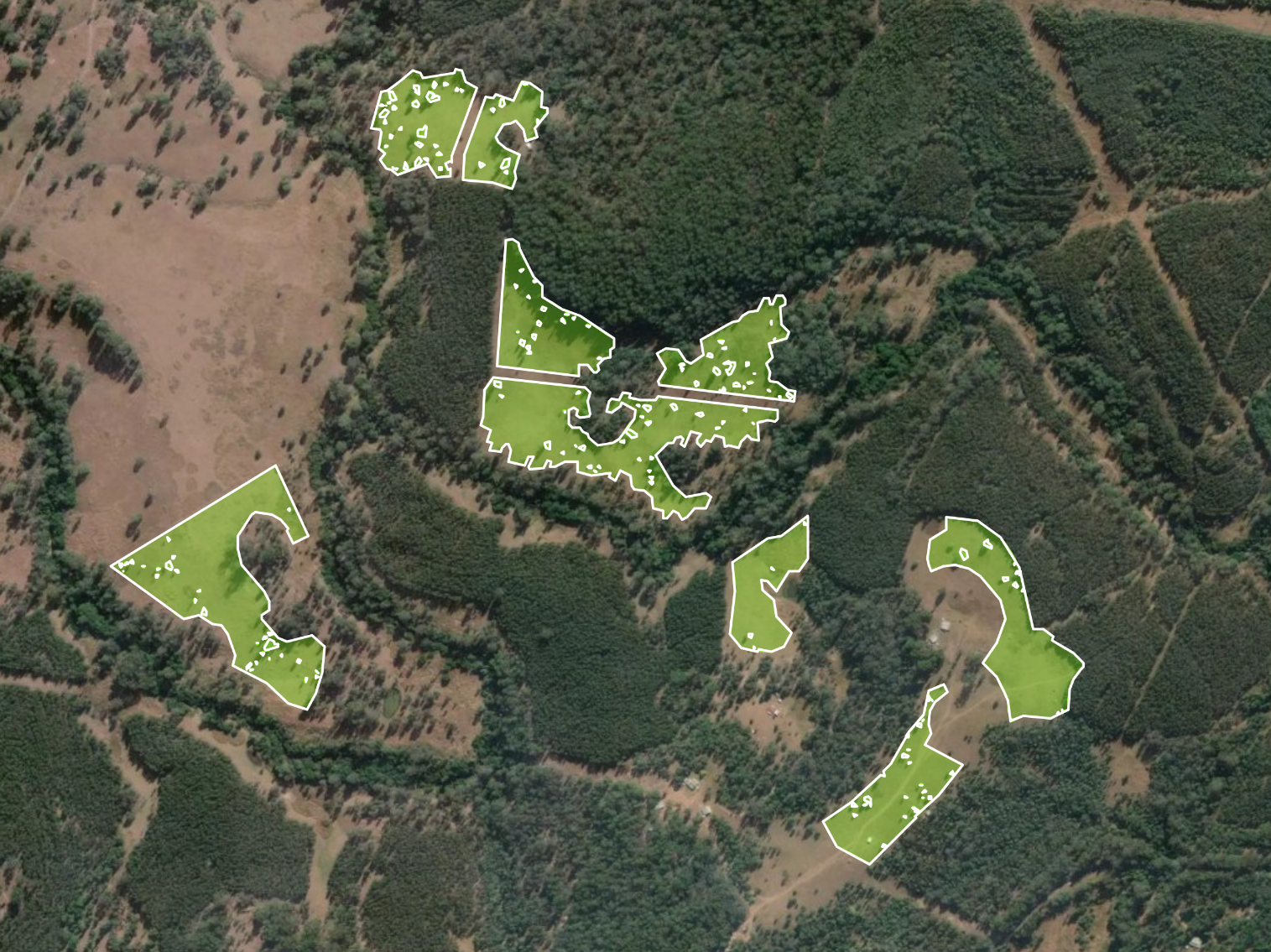
ERF209749: View project information | View on Project Explorer
This Aboriginal-owned environmental planting project aims to restore native plants and trees to a 24 hectare site in the Mallanganee region of northern NSW, which is used as a community retreat.
The project proponents - Jubal Aboriginal Corporation - hosts cultural youth camps and other community programmes at the retreat. During recent years, the community has received disaster recovery grants to repair internal roads, creek crossings, and cultural sites that were severely impacted by landslides.
It’s hoped that re-establishing permanent native vegetation through this project will not only generate carbon credits, but also rehabilitate and stabilise the land, for future community use. The wider area is highly valued for its forestry and conservation sites, such as Mallanganee National Park.
Babinda Carbon Farming Ducrot and Clyde Road
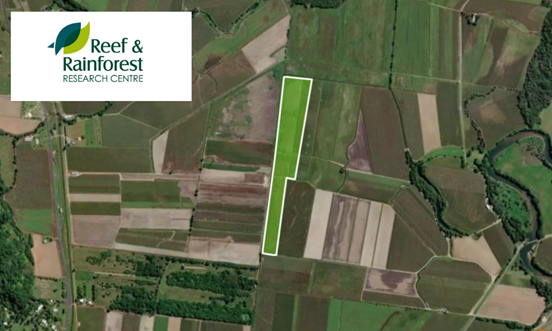
ERF210005: View Project Information | View on Project Explorer
Located in one of Australia’s wettest areas, this environmental planting project aims to restore native rainforest trees and shrubs at a 10 hectare site.
The project is managed by the Reef and Rainforest Research Centre Ltd (RRRC), an award-winning environmental not-for-profit which brings together research providers, industry and community organisations.
It’s hoped that restoring native vegetation will have substantial environmental co-benefits beyond carbon sequestration, particularly in improving local water quality and reducing agricultural sediment run-off into the Great Barrier Reef catchments.
Babinda, in the far north of Queensland, is known as one of the wettest towns in Australia, with exceptionally high annual rainfall.
Cowangie Planting Project
ERF209460: View Project Information | View on Project Explorer
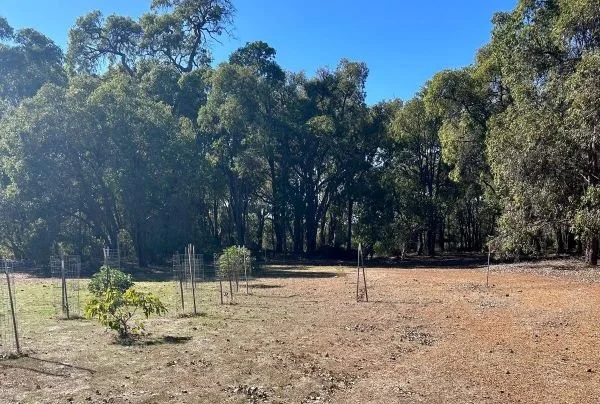
This EP project in the Mallee region of north-western Victoria, aims to restore native vegetation to land which was cleared for agriculture in the 1920s.
Photo shows seedlings planted on cleared land.
The 1,036 hectare site near Cowangie, will be planted with a mix of native shrubs and trees, under the FullCAM methodology (2024). This typically requires planting at a density of at least 200 stems per hectare, designed to reach a minimum height of two metres and achieve at least 20% forest canopy cover at maturity.
Much of the Mallee region was systematically cleared of its native roots in the years after the First World War, to make way for agriculture and soldier settlement schemes.
The proponent, Land Life, is known for utilising advanced precision technologies, such as drone-based terrain analysis, 3D soil modelling, and GPS-enabled automated planting systems, to restore degraded agricultural land and maximise carbon sequestration.
Kardutjaanup 2026
ERF209798: View Project Information | View on Project Explorer
Global cosmetics giant L’Oréal Groupe, is directly investing 600,000 dollars into this First Nations-led environmental planting project in the Salmon Gums area of Western Australia.
Kardutjaanup2026 is located on part of a 4,000 hectare degraded former cropping farm, which was bought by Esperance Tjaltjraak Native Title Aboriginal Corporation (ETNTAC) in early 2022. ETNTAC is a founder partner of Rejuvenation Trees,a not-for-profit which supports First Nations-led ownership and stewardship of rural land.
Registered in June 2026, this EP project covers 146 hectares of land, which will be planted with native trees and shrubs. In addition revegetation, about half the property’s land will be restored with regenerative agriculture.
L’Oréal’s three year funding commitment is directly tied to the planting of 65,000 trees. It’s hoped the project will not only improve the local environment, but also kickstart carbon farming as an income stream for local First Nations people.
Kardutjaanup is the traditional name for the nearby Peak Charles, linking the property to culturally significant surrounding land. The broader rejuvenation project hopes to provide employment for at least 40 Wudjari Nyungar people.
AA2026R_FulhamL_S1S2
ERF208334: View Project Information | View on Project Explorer
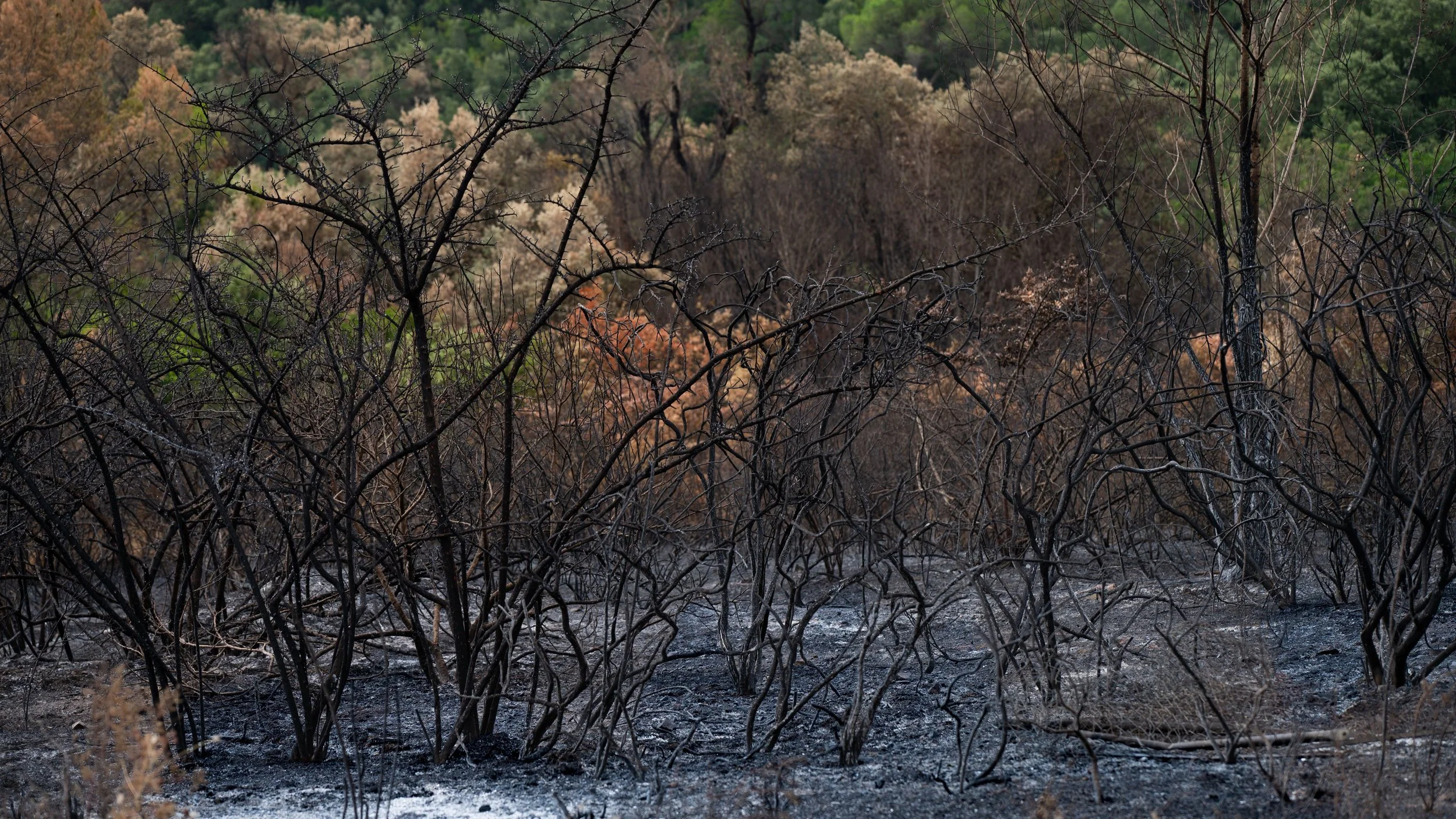
Located at a historic farm in Tasmania which was severely impacted by wildfires in 2013, this plantation forestry project aims to create fresh income streams for under-used agricultural land.
Photo shows a charred landscape after bushfires.
Since the Dunalley bushfires, local landowners have focused on strategic reforestation to combat soil erosion and provide wind shelter for livestock. This project is sited at the Fulham property, in the south-east of Tasmania and covers just under 96 hectares.
It is managed by SFM Environmental Solutions, a company which partners with landholders to transform under-utilised farmland into reliable revenue streams, in this case plantation forestry for commercial wood products, combined with carbon sequestration.
Blue Hill 2026
Project proponent Peter Downie is a sixth generation farmer, and a pioneer of both sustainable and carbon farming in Tasmania, as well as renewable energy.
ERF209166: View Project Information | View on Project Explorer
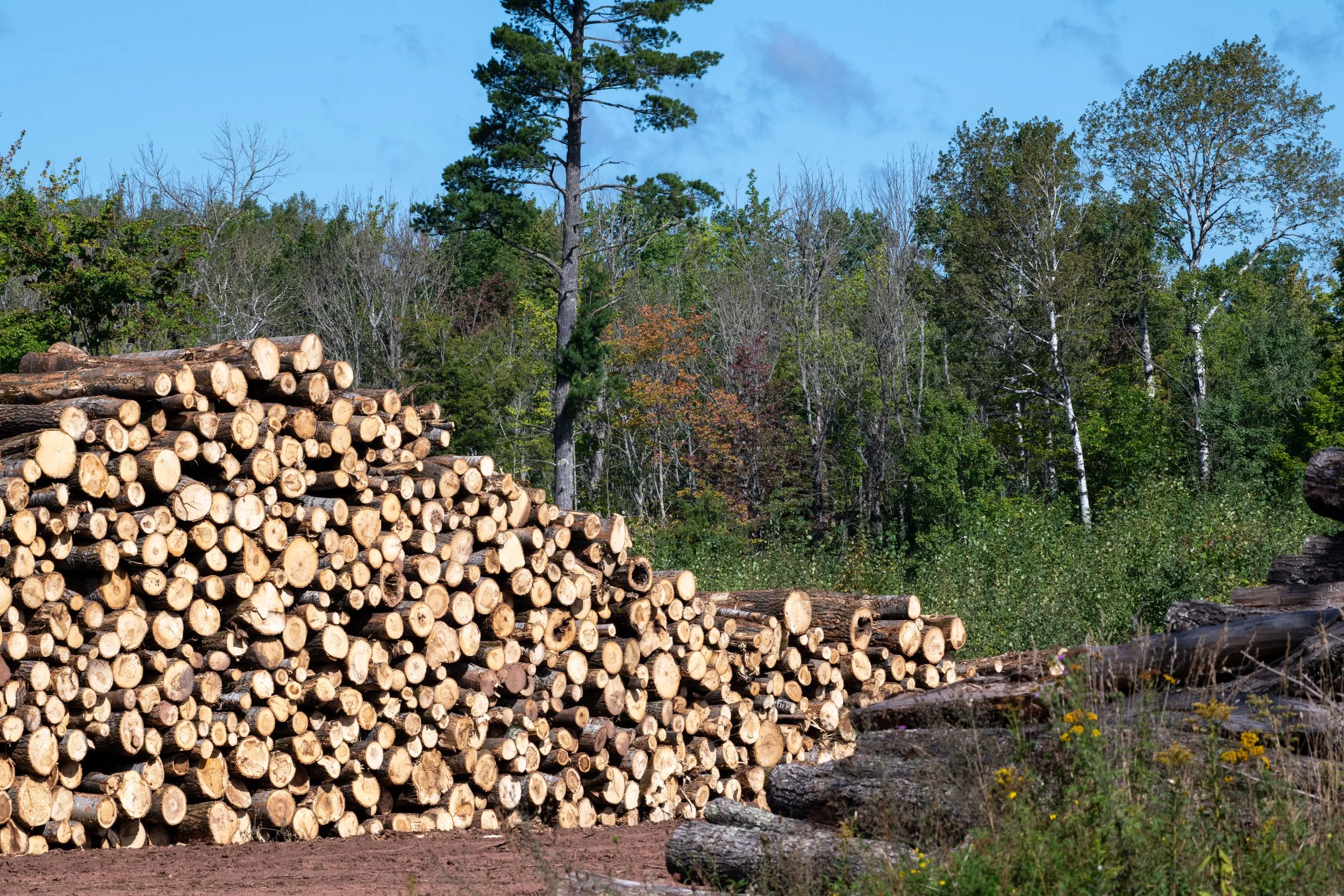
Blue Hills is a commercial wood plantation forestry project located at Downie’s 24,000 hectare mixed farming Dungrove Station. It aims to convert an existing short-rotation plantation, into one with a long rotation, to maximise the amount of sequestrated carbon.
Photo shows a commercial wood plantation logging.
In addition to carbon farming and forestry, Downie and his family are heavily involved in local large-scale renewable energy initiatives, co-developing the nearby Cattle Hill Wind Farm, the Weasel Solar Farm, and the proposed Cellars Hill Wind Farm.
Downie’s other carbon farming projects include: Landari Highland Lakes 2025, a project in the Central Highlands of Tasmania, which commits to managing an existing plantation to ensure it is not deforested; and the Dungrove Soil Carbon Project, which aims to increase vegetation, carbon sequestation and soil health in a 1,817 hectare area within Dungrove Station.
Credits issued
The CER awarded carbon credits to 94 projects in June, with a combined issuance of 1,862,918 ACCUs. This took the total for the first half of 2026 to 10,895,885, compared to 9,496,982 in the first six months of 2025. If this trend continues in the next two quarters, 2026 will break the record for carbon credit issuance in a calendar year.
Moomba Carbon Capture and Storage Project (see below) earned the largest single allocation, of 208,765 ACCUs, while at the other end of the scale, Winbar Human Induced Regeneration Project was awarded 154 credits.
In terms of methodology, 58 vegetation projects earned credits, followed by waste (24), savanna fire management (7), agriculture (3), carbon capture (1) and energy efficiency (1). The two most prolific proponents were:
TerraCarbon, which helped earn a total of 435,632 credits across 19 different vegetation projects.
LMS Energy, which successfully secured a total of 356,136 credits across 19 individual landfill waste gas projects.
Some of the projects earning credits
Moomba Carbon Capture and Storage Project
ERF169131: View Project Information | View on Project Explorer
(across eight postcodes, no addresses available)
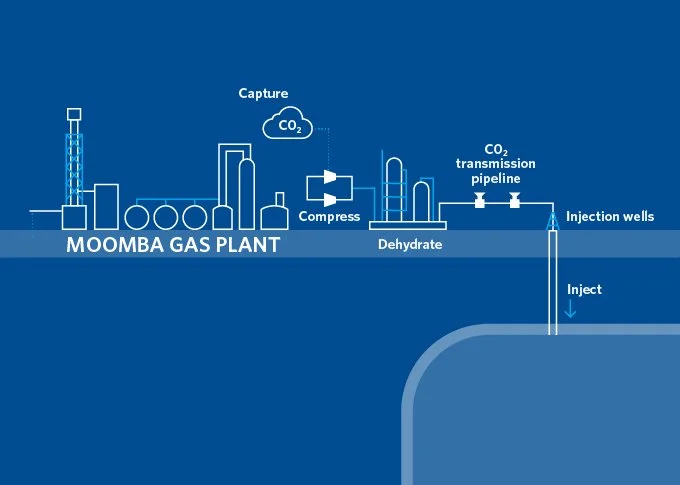
Registered in late 2021, and starting operations in September 2024, this is Australia’s first large scale carbon capture operation. It takes carbon dioxide from the Moomba Gas Plant, in South Australia’s remote Cooper Basin, and permanently stores it deep underground in depleted gas reservoirs.
The initiative is a joint venture between Santos Energy, which owns the Moomba Gas Plant, and Beach Energy, which has a 33% ownership interest in the adjacent CCS project. It is capable of safely storing up to 1.7 million tonnes per year of carbon dioxide equivalent each year.
Beach Energy estimates that the Cooper Basin and Eromanga Basin in Queensland have the potential to store 20 million tonnes of greenhouse gases per annum for more than 50 years. The carbon capture and storage methodology (2021) requires strict monitoring and verification protocols to ensure the injected gases do not leak back into the atmosphere.
In October 2025, Moomba CCS received its first 614,133 carbon credits. June’s award of 208,765 ACCUs, took its total for the 2025-2026 tax year to 1,403,427.
Western Australian Rangelands Conservation Initiative Site 15
ERF159425: View Project Information | View on Project Explorer
This large human-induced regeneration (HIR) project in the Upper Gascoyne region of Western Australia, received its first credits in June 2026, an impressive 172,719 ACCUs. Although the HIR method was retired on September 30 2023, there are still 426 active projects which can earn ACCUs for the duration of their crediting periods.
Originally registered in January 2021 , with a total area of 144,647 hectares, a variation was made to the project area in March 2025, to accommodate boundary changes.
HIR projects involve establishing permanent native forests by promoting the natural regrowth of vegetation from in-situ seed sources. This is typically achieved by altering land management practices on land where vegetation was cleared and regrowth was suppressed for at least 10 years prior to the project's commencement.
The project proponent, TerraCarbon, is a prominent carbon farming advisory firm and a subsidiary of GreenCollar, Australia's largest environmental market developer. It has 19 other active HIR projects in the Western Australia Rangelands.
Wilinggin Fire Project
EOP100642: View Project Information | View on Project Explorer
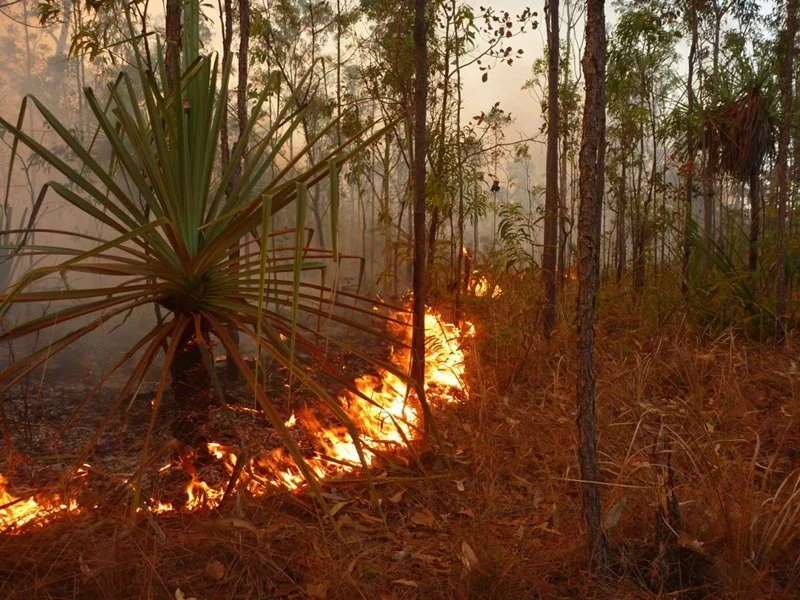
Photo shows Savanna Fire Emissions.
This Indigenous-managed savanna fire management (SFM) project, located in the remote Kimbeley region of Western Australia, has the third highest total carbon credit issuance for this method. It was awarded 51,975 ACCUs in June 2026, following awards in ten previous tax years, starting in 2013/2014. Its total issuance currently stands at 772,942 ACCUs.
Wilinggin Fire Project, which covers an immense area of more than a million hectares, is managed by the Wanjina-Wunggurr (Native Title) Aboriginal Corporation RNTBC, on behalf of the Ngarinyin Traditional Owners, with support from the Kimberley Land Council. Located in the Willinggin Indigenous Protected Area, the nearest major town, Derby, is more than 200km away.
The initiative actively blends traditional Indigenous ecological knowledge with modern scientific practices. Beyond environmental and carbon abatement benefits, funds generated from the sale of carbon credits are heavily reinvested into the community.
Carbon credits provide a sustainable source of funding for the Wunggurr and Nyaliga Rangers, enabling them to protect vulnerable habitats, ancient rock art, and cultural sites from destructive wildfires, while managing weeds and feral animals.
SFM projects involve strategic and planned burning of savanna areas during the early dry season. This prevents the occurrence and spread of uncontrolled wildfires during the late dry season, thus massively reducing emissions of greenhouse gases.
Berrima Alternative Fuel Substitution and Kiln Energy Efficiency Project
ERF163714: View Project Information | View on Project Explorer
Backed by a 25.45 million dollar grant in late 2025 from the New South Wales government, this innovative project aims to reduce greenhouse gas emissions by a combination of energy efficiency and alternative energy use. Located at the Boral Berrima Cement Works, in the Southern Highlands of NSW, it was awarded its first 46,794 ACCUs in June 2026.
The facility has been in operation for nearly a century, producing its first cement back in May 1929. The neighbouring town of New Berrima was founded in 1928 to house workers at the cement plant. It produces as much as 60% of cement consumed in NSW annually, and its products have been used in some of Australia’s best-known structures, including Sydney Opera House and the Federal Parliament Building in Canberra.
Managed by proponents Northmore Gordon, on behalf of Boral, it aims to increase energy efficiency through a variety of activities, such as upgrading heat exchangers, re-using captured waste heat, installing variable speed drives and a chorine bypass system.
A crucial part of this project, which was registered in May 2021, is transitioning the massive kiln from using coal, by targetting a 60% replacement with waste-derived fuels. This is expected to not only cut emissions, but divert 73,000 tonnes of waste from landfill each year.
Revoked projects
Just two projects were revoked in June:
Westpork Pinjarra Biogas Project in Western Australia, which collected and combusted methane gas from pig effluence.
Moama Landfill Gas Flaring Project in the Murray River region of New South Wales, which captured and combusted methane gas from organic waste.
Both were voluntary revocations under Section 30 of the CFI (Carbon Farming Initiative) Rule. This is used in cases where a project has not been issued any carbon credits.
Join our community to get the latest carbon market intelligence delivered monthly
Read about the register updates from the previous month: ACCU project registrations reach eight- month high,
with 34 new ACCU carbon projects across Australia.
References
Clean Energy Regulator (CER):
Carbon Eyes ACCU project register and project level analytics
Carbon Eyes market commentary on ACCU project activity and issuance trends
CSIRO - Savanna Carbon Emissions
SFM: https://www.csiro.au/en/news/All/Articles/2016/December/savanna-carbon-emissions
Images
Soil with seedling - Pexels - Ron Lach
Charred landscape after bushfires - Pexels - Christian Palau
Wood Plantation Forestry - Pexels - Andrew Patrick
Savanna Carbon Emissions - CSIRO
Want to know more?
Check our time lapse video from 2012 to today showing the growth of Australia's ACCU scheme.
Carbon Eyes | ACCU Market Intelligence
Strategic data and integrity signals for the Australian carbon market.
1. Carbon Data Platform
The Foundation of Market Transparency | Access the Platform
A comprehensive view of the ACCU landscape. Access structured CER data, project status and issuance trends. Use our core mapping and analytics to establish your market baseline.
2. Integrity & Market Intelligence
Independent Ratings & Supply Forecasts | Upgrade Your Intelligence
Mitigate risk with our paid intelligence layer. Accessed directly within the Platform, these add-ons provide independent ACCU project ratings and forward looking supply forecasts to guide procurement and investment.
3. Land & Asset Decisioning
Identify the Best Opportunities for Carbon Projects
Carbon Potential Report | View Carbon Potential Report (by address)
Instant, address-based viability assessments for lenders and investors.
Carbon Land Search | Identify & Assess High-Potential Assets
Our premium search engine for institutional funds. Identify and de-risk high-potential carbon assets before acquisition.