
April 26: Investors backing the ACCU scheme with real money
Carbon Eyes Curiosity: quick takes from the latest ACCU project register update. We are seeing investors backing the scheme with real money.
Reach out to the team for more detailed market analysis and further insights.

Carbon is starting to price into land
A new soil carbon project registered in March 2026 is showing up alongside a multi-million dollar land sale. It suggests carbon is starting to be priced into how the land is valued. This isn’t everywhere yet, but there are signs that it is starting to matter.
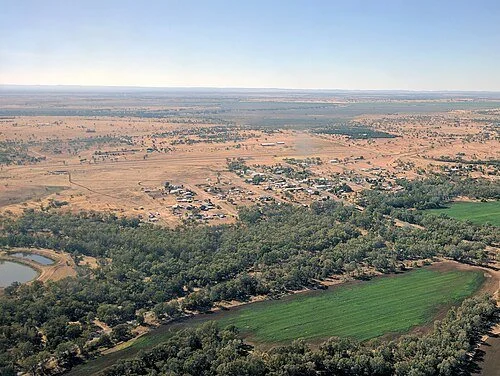
The Wildhorse Soil Carbon Project sits on a 4,543 hectares cattle property about 30km southwest of Rolleston in Central Queensland. It’s also a pretty typical grazing region for that part of Queensland, with buffel grass pastures, cracking clay soils, and a climate that swings between wet summers and long dry periods.
The property itself was bought for around $9 million in 2015, and it was already known in the area for setting a price benchmark. Parts of it are also used as biodiversity offset land for the nearby Rolleston coal mine, which adds another layer of land use on top of grazing and carbon. The institutional money is trending towards such projects rather than pure-play carbon projects. Carbon Link is listed as the agent running the measurement and project side.
Big buyers are getting closer to the source
Large corporates like INPEX, ANZ and Qantas are moving closer to the supply side and not just relying on on-market credit purchases. They are getting closer to how projects are structured and delivered and are measuring project quality across multiple dimensions.
This is important for the ACCU scheme, because when major buyers sit inside supply creation, they naturally have more influence over what gets built, how much comes through, and in turn the pricing that follows.
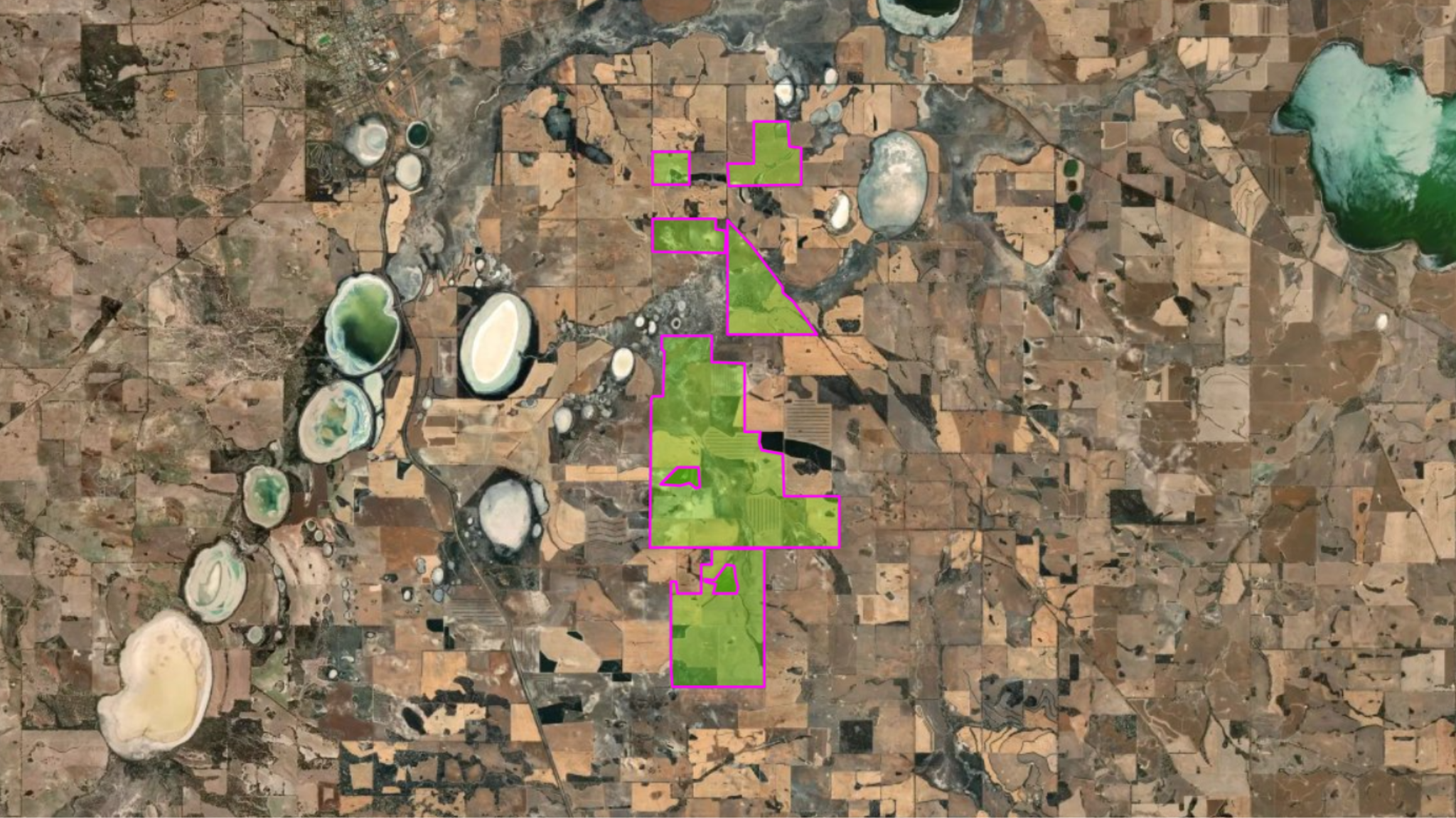
The Furnihurst Carbon Project also registered in March 2026 is an Environmental and mallee planting project in Western Australia's Wheatbelt region. It sits in a 400-500 mm rainfall zone on grey deep sandy duplex soils, in a landscape dominated by broadacre cropping and grazing. The project uses mallee and native plantings at low density on about 2,800 hectares of marginal farmland, designed to integrate carbon with traditional farming systems over time.
Technology is creeping into the methods
The Ennovo waste diversion projects are a good example of where things get interesting. Instead of periodic, manual measurement, you’ve got continuous sensor data. Instead of diesel heavy processes, automated systems. More consistent data means less ambiguity, which makes weaker measurement approaches harder to justify.
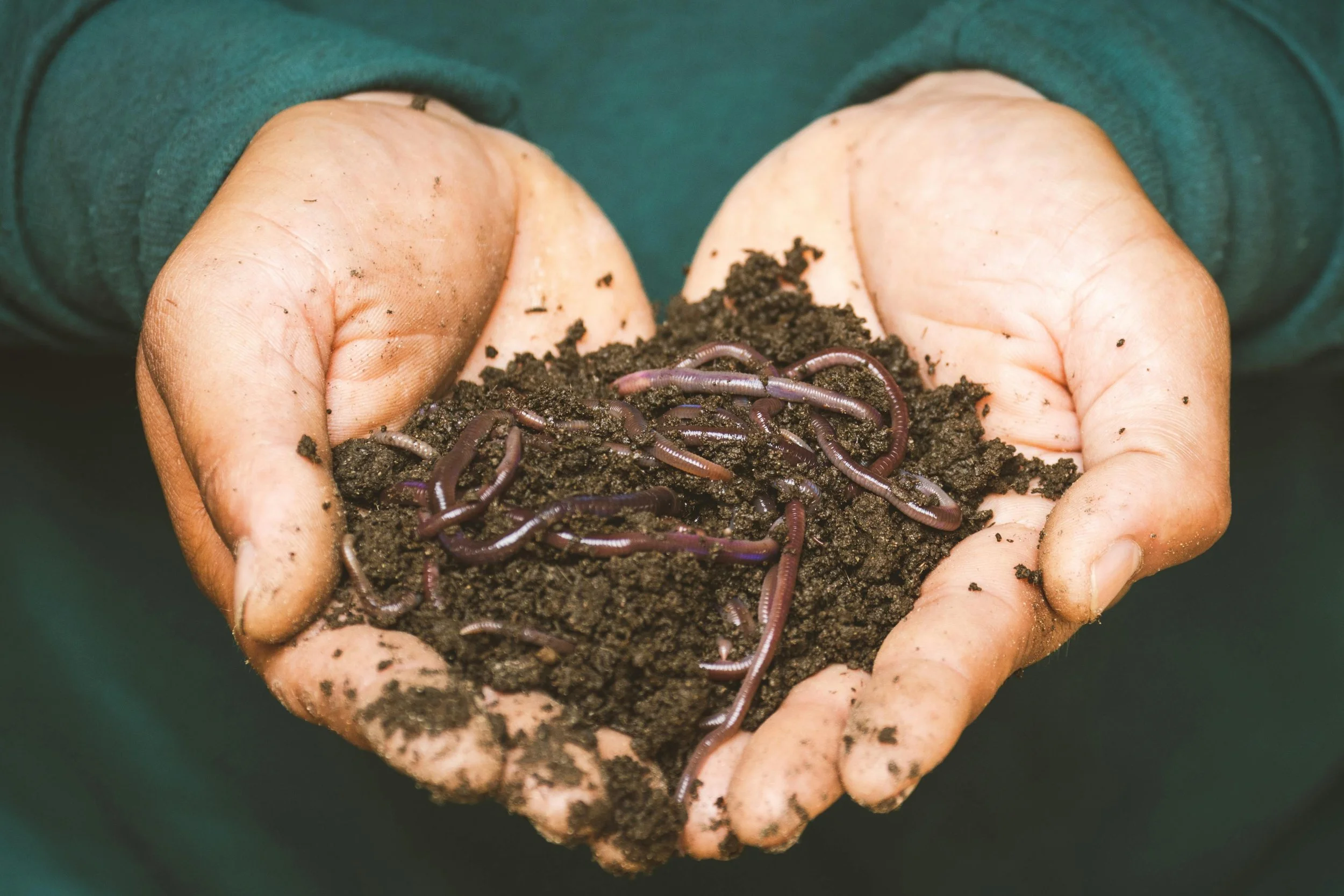
The Ennovo Organic C&I Waste and Commercial Food Waste Projects sit across South Australia around the Wakefield region, and don’t have a single fixed land boundary. They aggregate commercial and industrial organic waste streams and divert them from landfill.
They use forced aeration composting to keep oxygen flowing through the material, which speeds up processing and cuts methane that would otherwise be released in landfill. It reduces dependencies on more traditional diesel heavy windrow turning with a more controlled system.
The region is a mix of cropping, grazing and waste recovery infrastructure in a semi arid Mediterranean climate, where soil moisture and condition are ongoing constraints.
DBD Environmental, trading as Ennovo, runs the system using its “Carbon Air” setup, which monitors and controls the process in real time. The end product is compost used on agricultural land to improve soil condition, carbon and water retention.
Scale is no longer theoretical
A near $300 million bioenergy facility linked to a registered ACCU project, with $80 million already committed by institutional capital markets marks a move into infrastructure-scale carbon supply. At this scale, abatement delivery is no longer assumed. Performance, reliability and credit integrity become central to whether the capital stack holds.
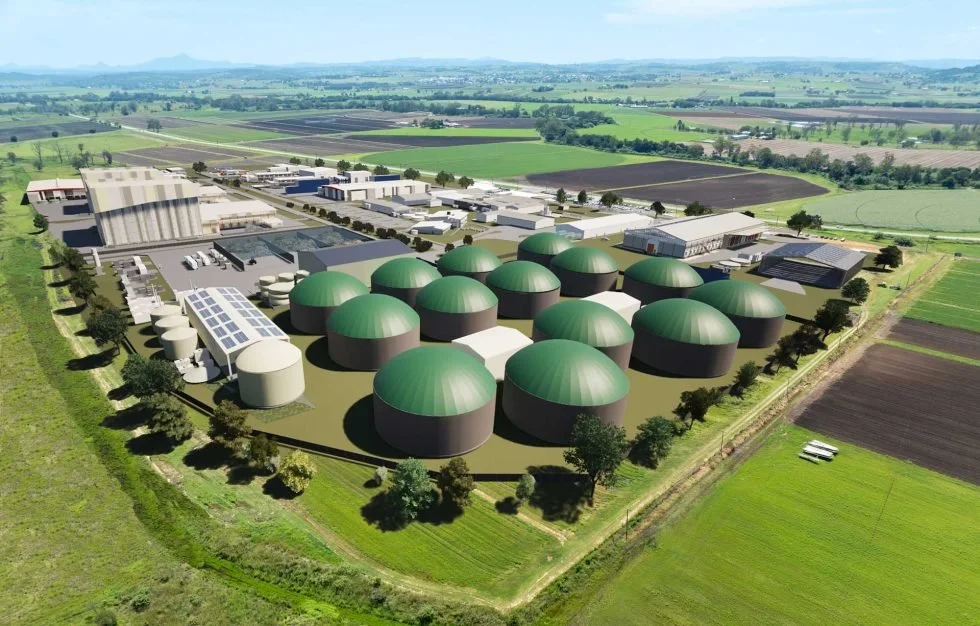
Kalfresh Stage One Bioenergy Project is a 40 hectares waste diversion project near Kalbar in Queensland’s Scenic Rim. It processes farm waste, crop residues and food processing offcuts through anaerobic digestion to produce renewable natural gas and biofertiliser.
Backed by investment from Wollemi Capital and QIC, the wider $291 million precinct is expected to generate energy equivalent to powering up to 31,000 homes and displace large volumes of transport fuel and synthetic fertiliser, while operating as a closed loop system within a major vegetable growing region.
The facility sits in a high productivity farming region and forms part of a larger industrial precinct, producing biogas for energy and returning digestate to local farms as fertiliser.
Final thought: So, we are definitely seeing investors backing the scheme with real money. With more capital at stake and systems tightening, there’s less room for error. Less robust setups are no longer just an inconvenience, they could also become a liability.
Our latest Carbon Eyes Curiosity update highlights key observations from the most recent release of the ACCU Project Register.
For more comprehensive market insights and analysis, please get in touch at info@carboneyes.io.
References
Carbon Eyes ACCU project register and project level analytics
Carbon Eyes market commentary on ACCU project activity and issuance trends
Clean Energy Regulator (CER)
Want to know more?
Check out our blog article Massive new ACCU plantation project announceddiscussing how the 30,000 hectares project will nearly match Tasmania’s existing plantation projects.
Carbon Eyes | ACCU Market Intelligence
Strategic data and integrity signals for the Australian carbon market.
1. Carbon Data Platform
The Foundation of Market Transparency | Access the Platform
A comprehensive view of the ACCU landscape. Access structured CER data, project status and issuance trends. Use our core mapping and analytics to establish your market baseline.
2. Integrity & Market Intelligence
Independent Ratings & Supply Forecasts | Upgrade Your Intelligence
Mitigate risk with our paid intelligence layer. Accessed directly within the Platform, these add-ons provide independent ACCU project ratings and forward looking supply forecasts to guide procurement and investment.
3. Land & Asset Decisioning
Identify the Best Opportunities for Carbon Projects
Carbon Potential Report | View Carbon Potential Report (by address)
Instant, address-based viability assessments for lenders and investors.
Carbon Land Search | Identify & Assess High-Potential Assets
Our premium search engine for institutional funds. Identify and de-risk high-potential carbon assets before acquisition.