
From paddocks to payments: Soil carbon in practice
Managing soil carbon on working farms
A closer look at soil carbon projects on working farms. Discussing practical issues, ACCU eligibility and how projects fit with farm productivity.
With the right practices, in the right areas, soil carbon projects can improve farm health, open up new income streams and build drought resilience. But building soil carbon on agricultural land doesn’t have to mean overhauling your whole farming operation.
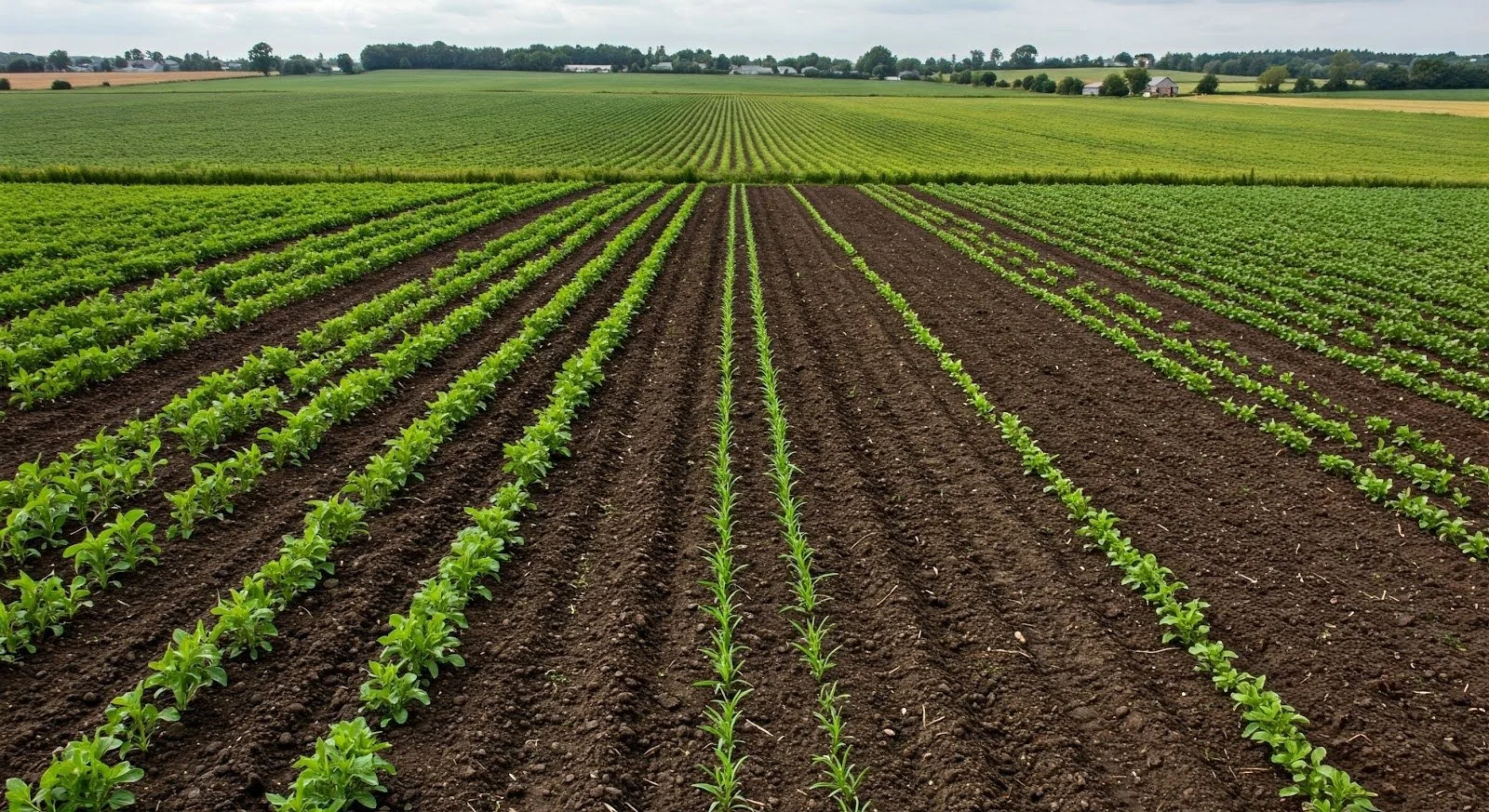
Here, we profile success stories from Australian farms trialling soil organic carbon (SOC) projects. They demonstrate how good planning, smart grazing and targeted support can make soil carbon a win for land, productivity and long-term profitability.
Soil carbon in action: A working farm earning real credits
Read about the Killen Carbon Project case study
Husband and wife team John Lawson and Philippa Yelland started the Killen Carbon Project on 47 hectares of cattle grazing land in New South Wales’ Upper Lachlan Shire, in April 2022. It has already earned more than 1,700 Australian Carbon Credit Units (ACCUs), issued by the Clean Energy Regulator (CER), for measurable carbon stored in their soil.
Delivered in partnership with AgriProve, the project shows how improved grazing and management can not only build carbon, but also increase productivity and profitability. Pasture production has been doubled, as has the land’s livestock-carrying capacity. It’s a working cattle property, not a test plot, proof that carbon projects can fit into working farms and generate real income.
It’s far from the only example. Across Australia, trials on grazing and cropping properties are showing how consistent changes on the ground can steadily build soil carbon, without completely disrupting how farms operate.
Building carbon from the ground up
Watch this video on Australia’s first soil carbon sequestration project
Australia’s first formal soil carbon project kicked off on a grazing property in Central West NSW in 2009. Run by the state’s Department of Primary Industries (DPI), the focus was simple: to test whether better grazing could lift soil carbon, and what that meant for the sites involved.
They trialled practical changes like resting paddocks, changing stocking rates to prevent over-grazing and keeping ground cover up. These changes didn’t just store more carbon, they also helped with pasture recovery and growth, improved soil conditions, and better resilience through dry spells.
As Dr Warwick Badgery, NSW’s Research Leader for Rangelands and Tropical Pastures, noted:
“We saw measurable changes in soil carbon over time, especially in areas where ground cover was maintained and grazing pressure managed well.”
The numbers add up, with more than 10,000 tonnes of Carbon Dioxide (CO₂) equivalent stored across 11 sites during the first five years.
The project also helped farmers weigh up the big question, whether to bank the carbon as credits, or use it to offset their own emissions. Either way, soil carbon is now seen by many as not just a tool for fighting climate change, but also as a way to build better, more resilient farms.
Scaling it up: Soil carbon in cropping systems
Watch this video on soil carbon sequestration practices for large-scale cropping systems
South Australian farmer Leon Byass put it simply:
“Most farmers, when they’re on a property, they want to leave it in better shape than they found it, and we’re in that process.”
Leon’s Seven Winds Farm, was one of twelve producers in the Mallee region of South Australia, which took part in the state government’s, Growing Carbon Farming Demonstration Pilot. The pilot tested soil carbon strategies in real-world, larger-scale conditions, with the overall aim of building carbon in broadacre grain systems, without sacrificing productivity.
The projects trialled changed management techniques such as multi-species cover crops, reduced tillage and keeping the soil covered, to hold roots in the ground longer. Results varied depending on soil type and rainfall, but overall pointed to solid carbon gains, even in intensive cropping zones.
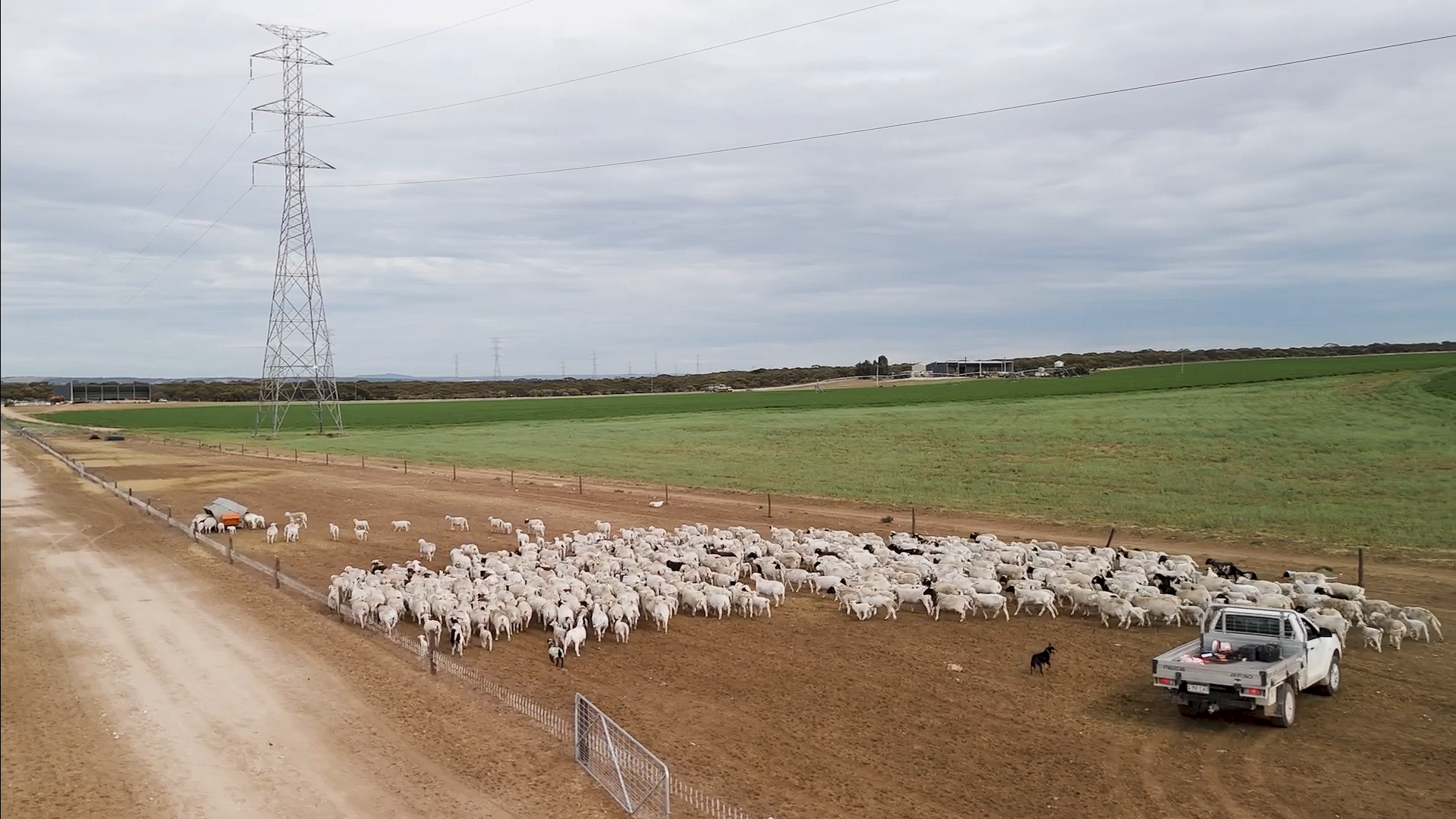
Seven Winds is an aggregation of four farms, made up of cropping, sheep grazing and poultry. Its sandy soil and low rainfall provide far from ideal conditions for capturing carbon from the atmosphere, making any carbon gains even more interesting.
Leon explained: “We’ve had to change how we manage the farm, rotating sheep through different paddocks, keeping more ground cover, holding soil moisture. That helps the bugs, fungi and microbes survive through summer.”
These farmer-led trials showed what’s possible when changed practices are supported properly. On-farm monitoring gave people confidence to move forward, and state funding helped cover the upfront costs. Real farms, providing real results.
What worked
Focus on ground cover: Across both grazing and cropping systems, keeping the soil covered was key, whether through rotation of livestock through paddocks or cover crops.
Tailored to farm systems: The most successful projects worked with the existing enterprise mix, not against it. Changes were gradual and measured, not disruptive to daily farm life.
Good support and advice: Technical backing from South Australia’s Department of Primary Industries (DPI) and access to funding helped landholders experiment with the changes long enough to see results.
Lessons from the land: What other farmers can learn
These projects show that increasing soil carbon is possible, and worth pursuing, when the right practices are applied consistently. Done well, soil carbon projects can:
Boost long-term soil health: More carbon means better structure, water retention and biological activity.
Build resilience: Managed pastures and diverse cropping rotations helped farms deal better with challenges such as drought.
Fit into working farms: These weren’t set-and-forget projects, but instead part of broader farm planning.
Like all good farming, success came down to the basics: reading the land and responding as conditions changed.
For any landholder thinking about a Soil Organic Carbon (SOC) project, these case studies offer a practical message: you don’t need to transform the whole farm. Start with what’s not working, and build from the ground up.
Want to know more?
Check out Dig it or plant it? Choosing the right carbon offset path, a closer look at pros and cons of tree planting versus soil carbon projects.
References
NSW Climate and Energy Action
Agriprove
YouTube
Unlock the Carbon Potential of your land?
Not sure where to start? Get a clear, data-backed measure of your land's carbon potential. From free snapshot reports to deep-dive assessments, we help you determine the best path forward.
Free Carbon Snapshot: Enter your address to see if a carbon project is viable for your land.
Project Explorer: View existing carbon projects and regional activity near you.
Browse the Learning Hub : Explore the full collection of articles at no cost.